CELINA ECEIZA
exposiciones obras y miscelaneas bio/cv textos, links, prensa recetas tumblr dibujos contacto
próximamente english portfolio
exposiciones obras y miscelaneas bio/cv textos, links, prensa recetas tumblr dibujos contacto


Rubyfruit Jungle at Marres is open! From 0ctober 4 to January 3


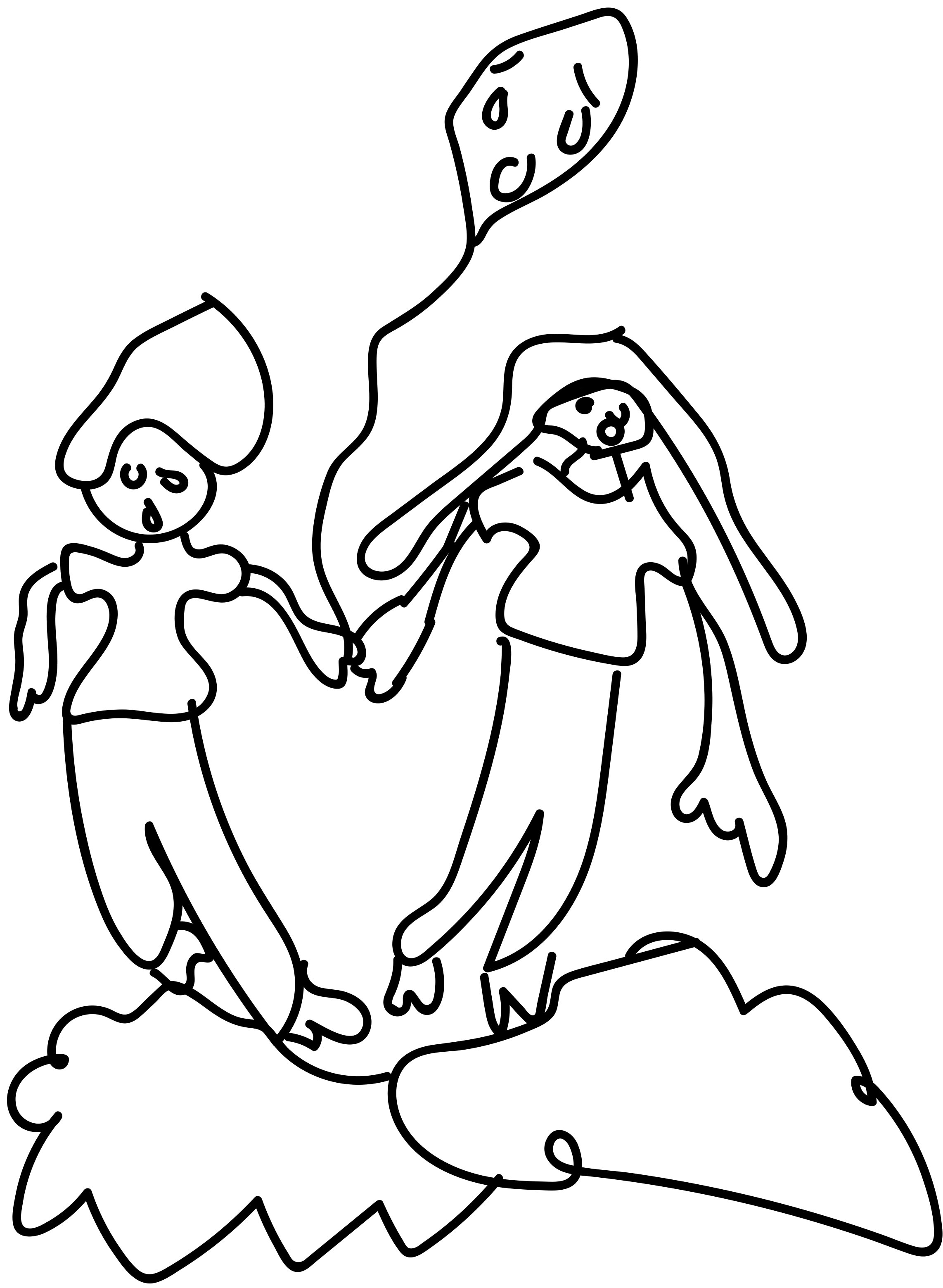
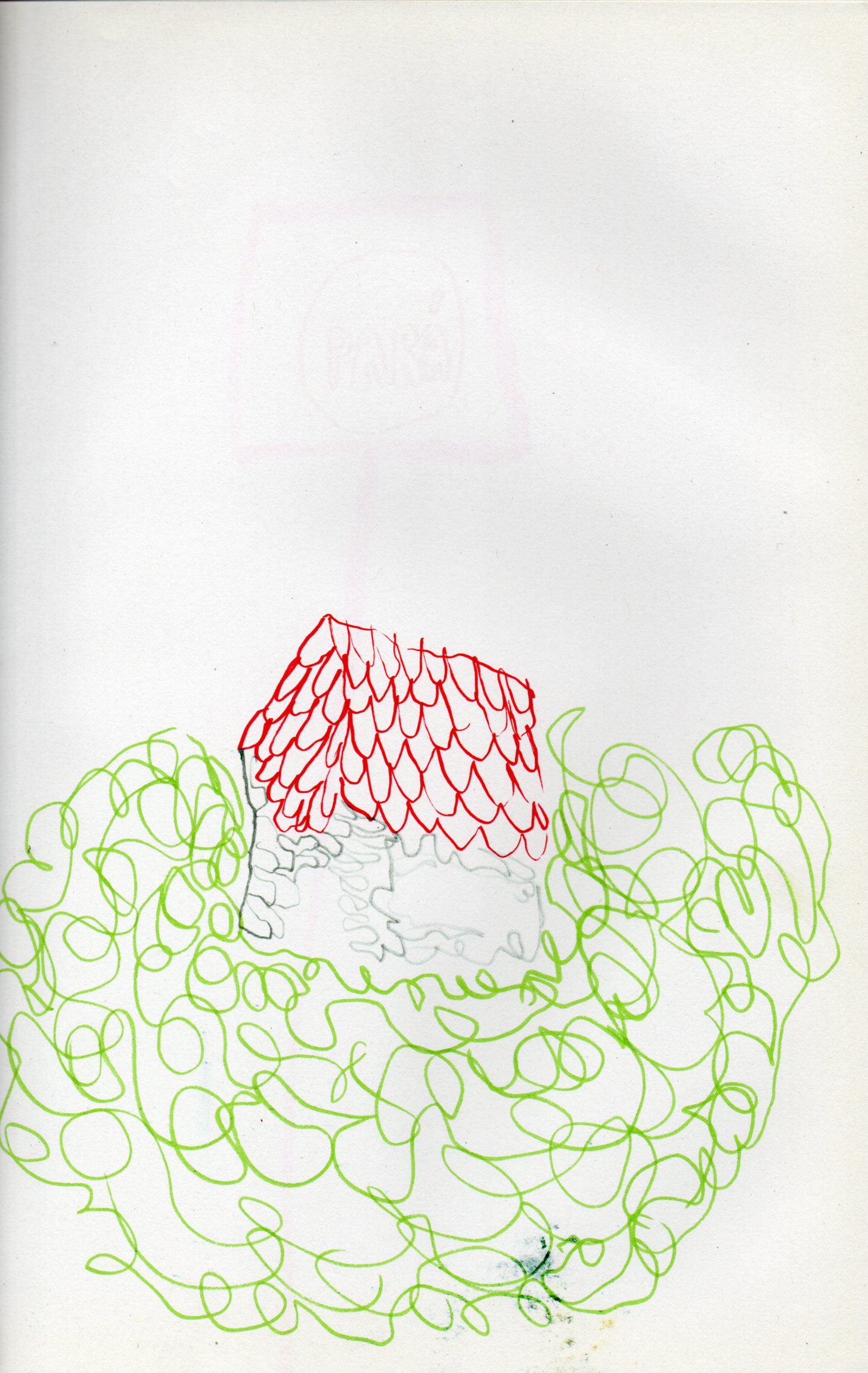
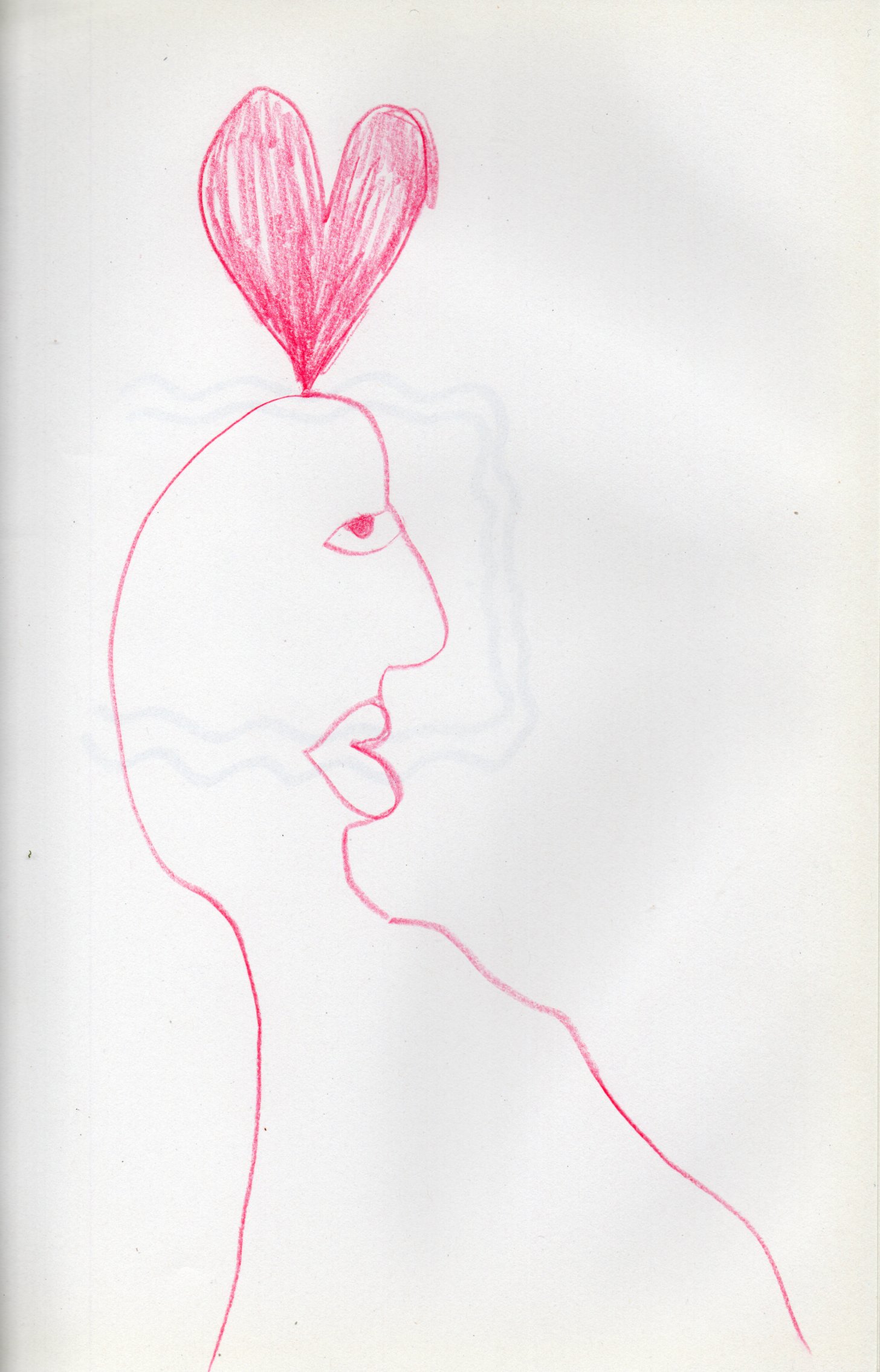
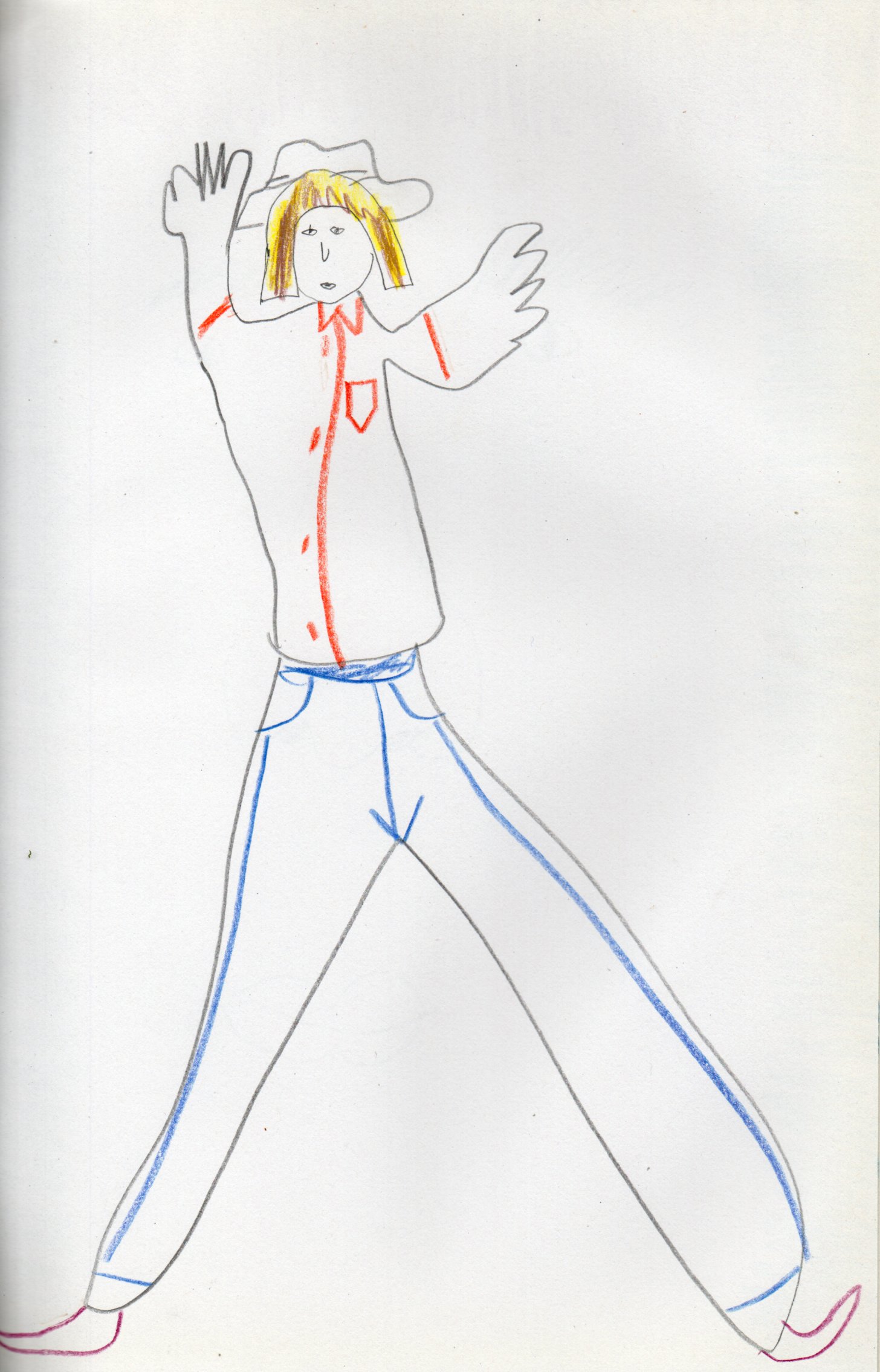
Todos los domingos hay Maratón de dibujo en Dormance, mi exposición en Frac Bretagne.
Como parte de la exposición «Dormance », la artista invita a adultos y niños a participar en su maratón de dibujo
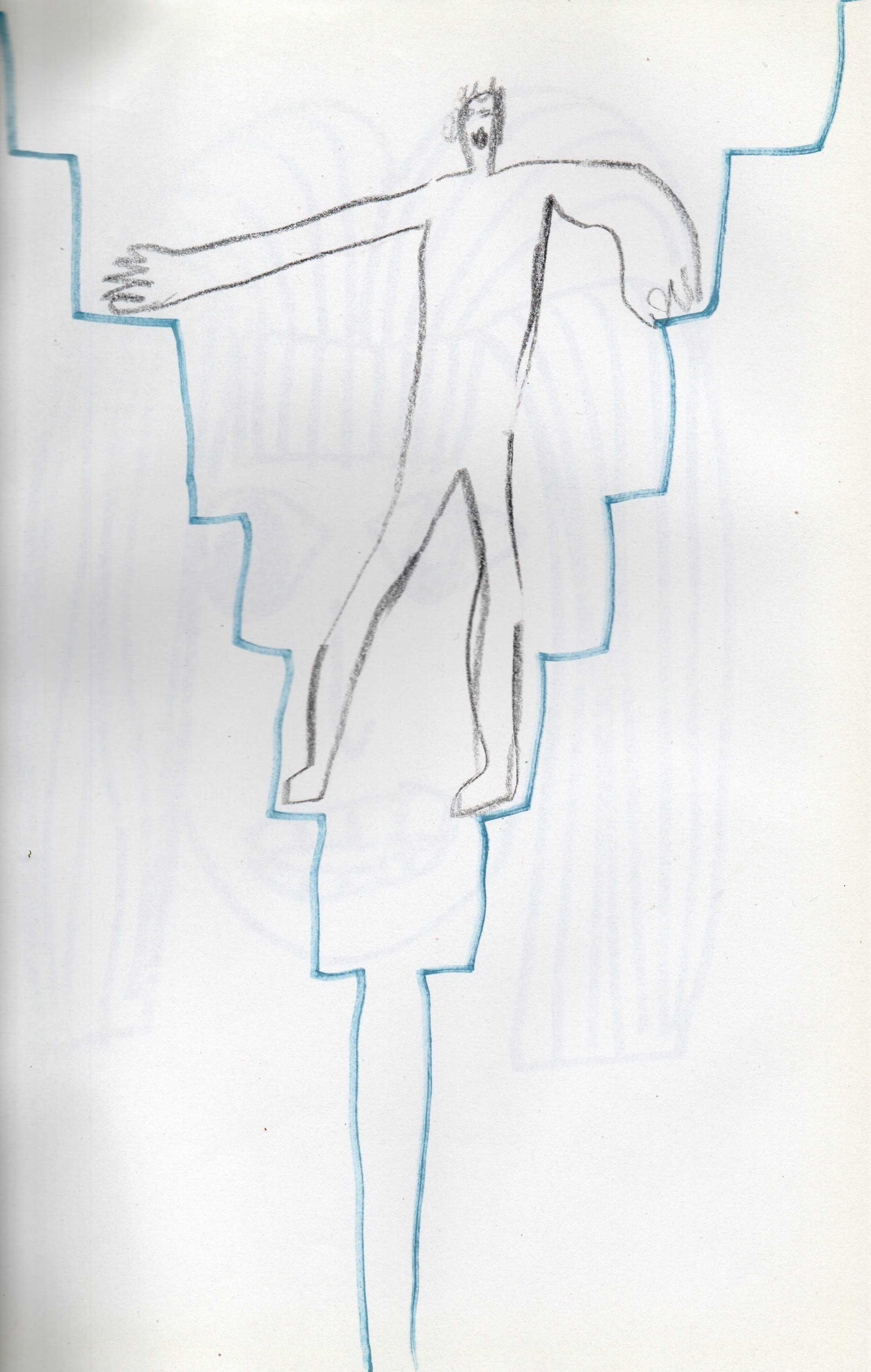
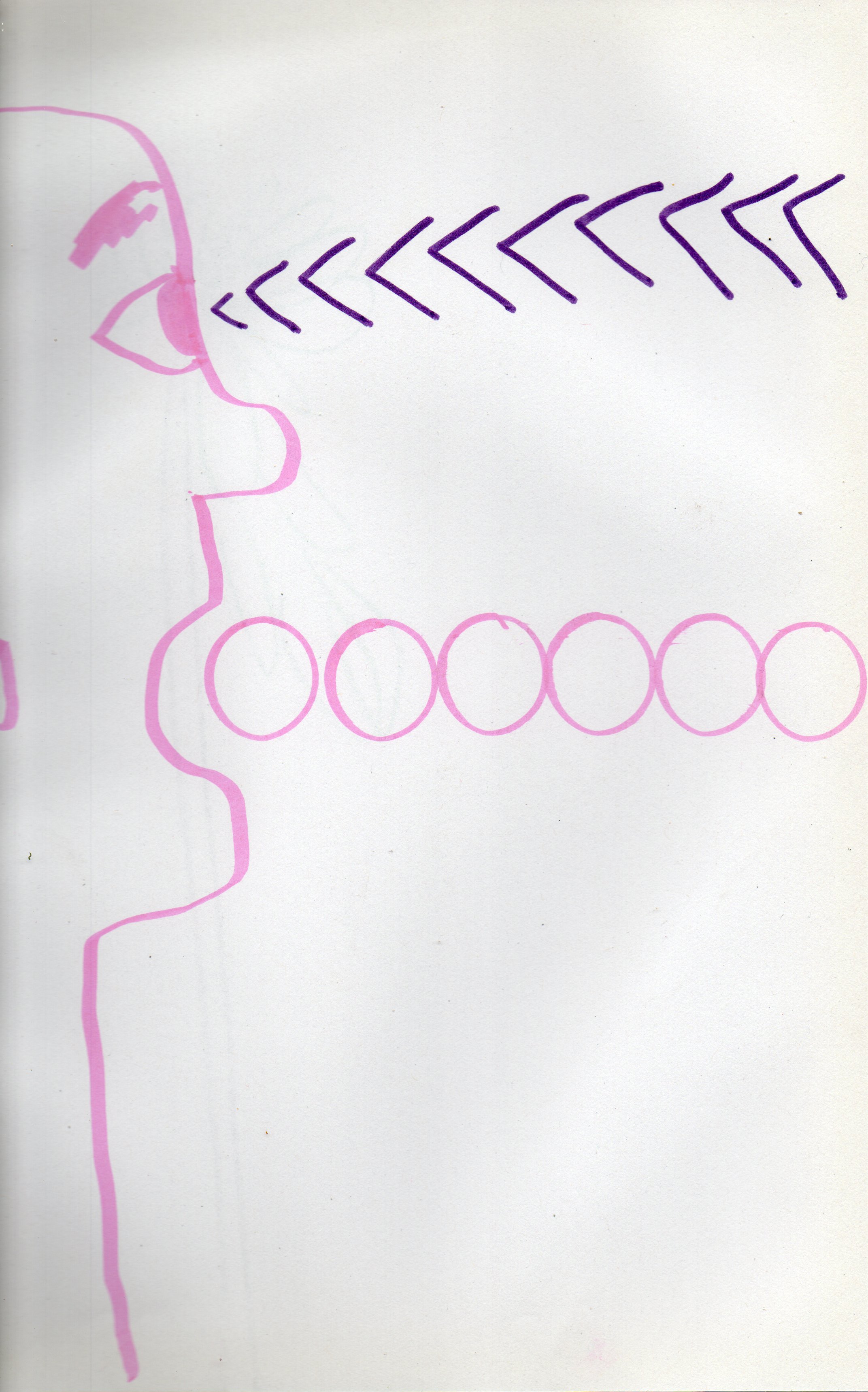
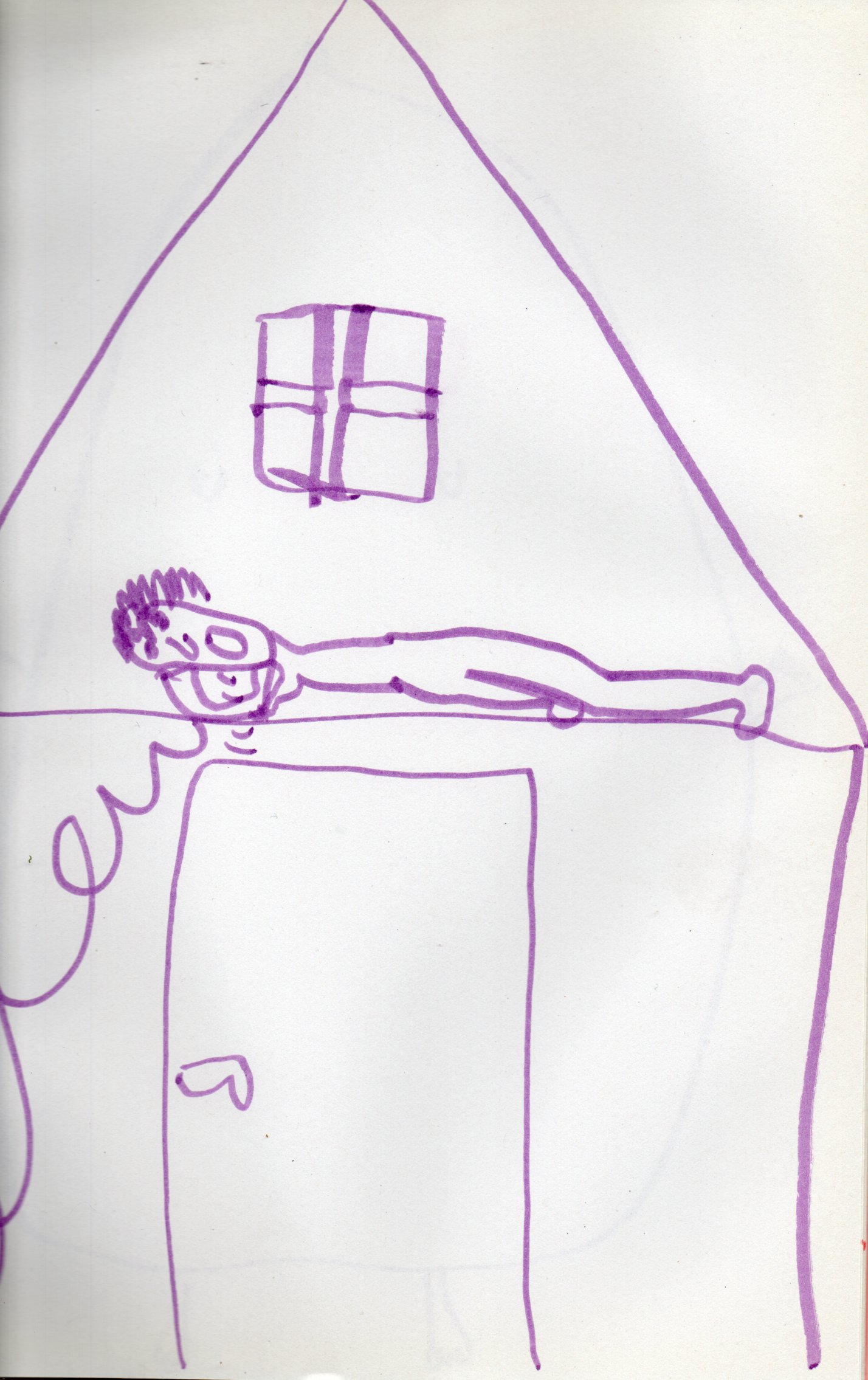
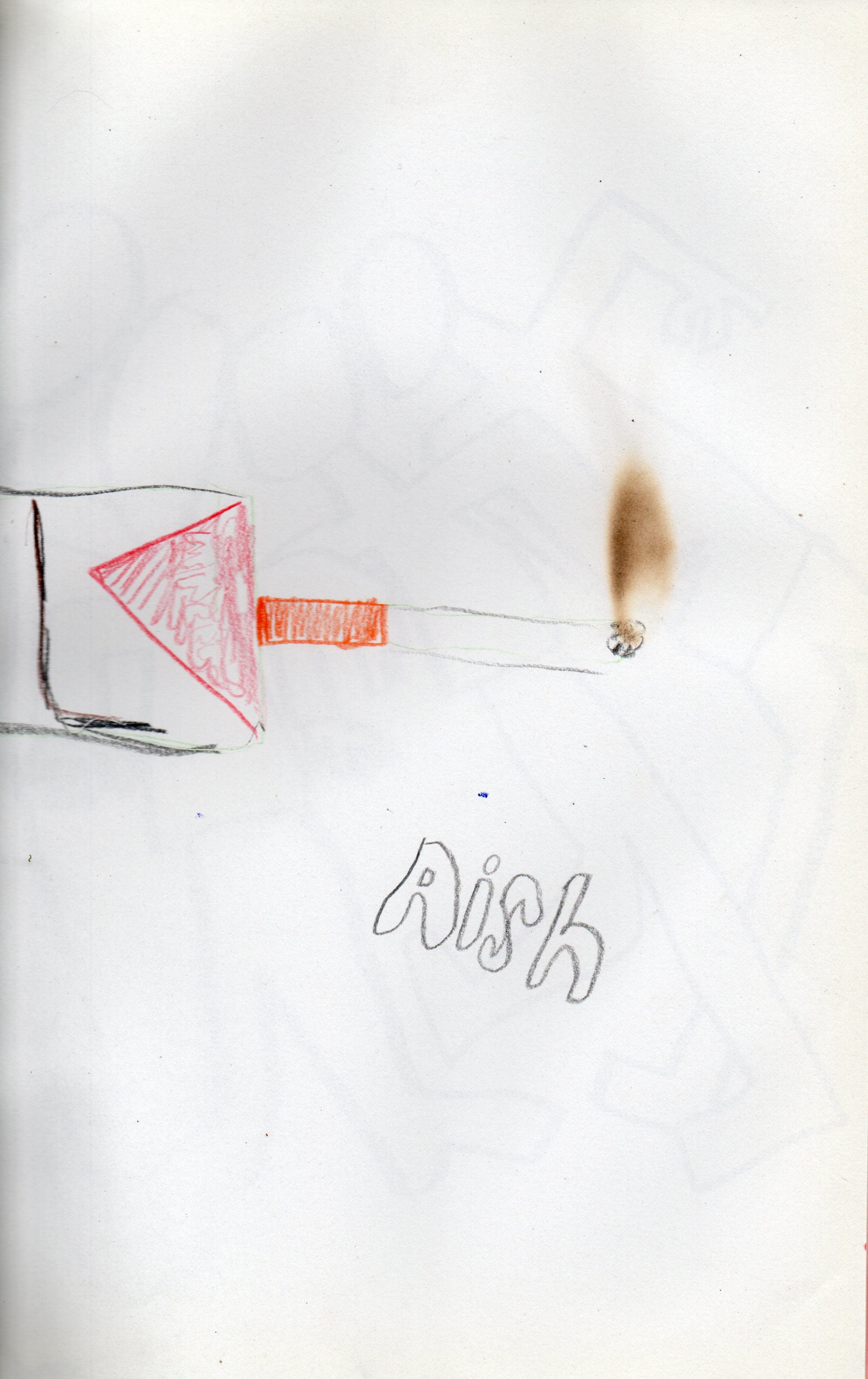
Cada domingo se ofrecerán diversas propuestas abiertas: "Un dibujo hecho con los ojos entrecerrados", "Un dibujo que sea una canción", "Un dibujo desordenado"... el objetivo de este maratón es calentar las manos y la imaginación.
Todos los domingos de 15:00 a 16:00. ¡
La entrada al Frac es gratuita los domingos!
Apto para todos los públicos.
Duración: de 1 segundo a 1 hora. Entrada
gratuita, sin necesidad de reserva, sujeto a disponibilidad.
Visita guiada gratuita todos los sábados y domingos a las 16:00.


Del 05/16/2026 - 08/16/2026 se puede ver A material called Earth, Volume 1: The life of corners Curada por Sylvie Fortin
Art Gallery of Burlington (AGB). Burlington, Ontario, Canada.
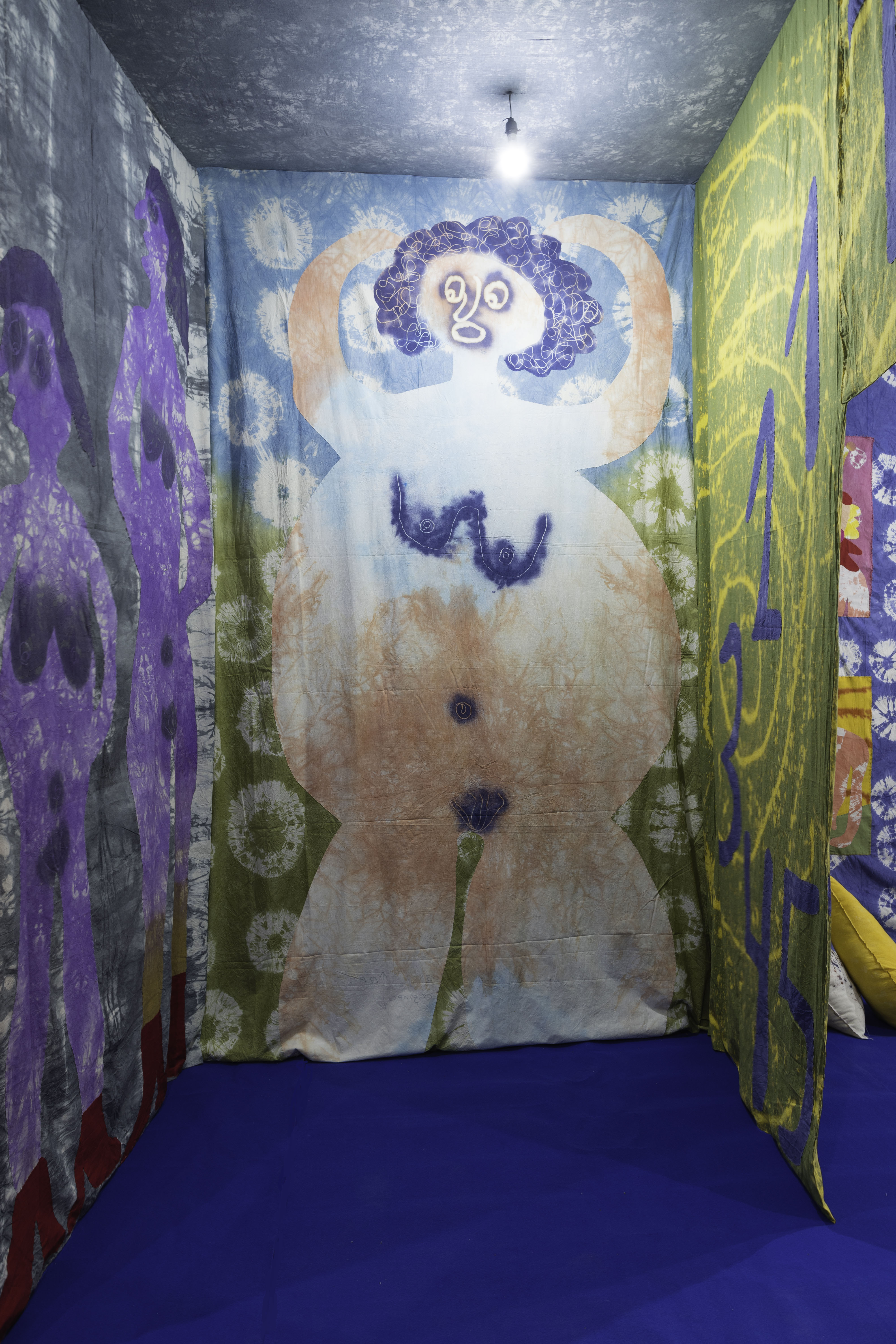
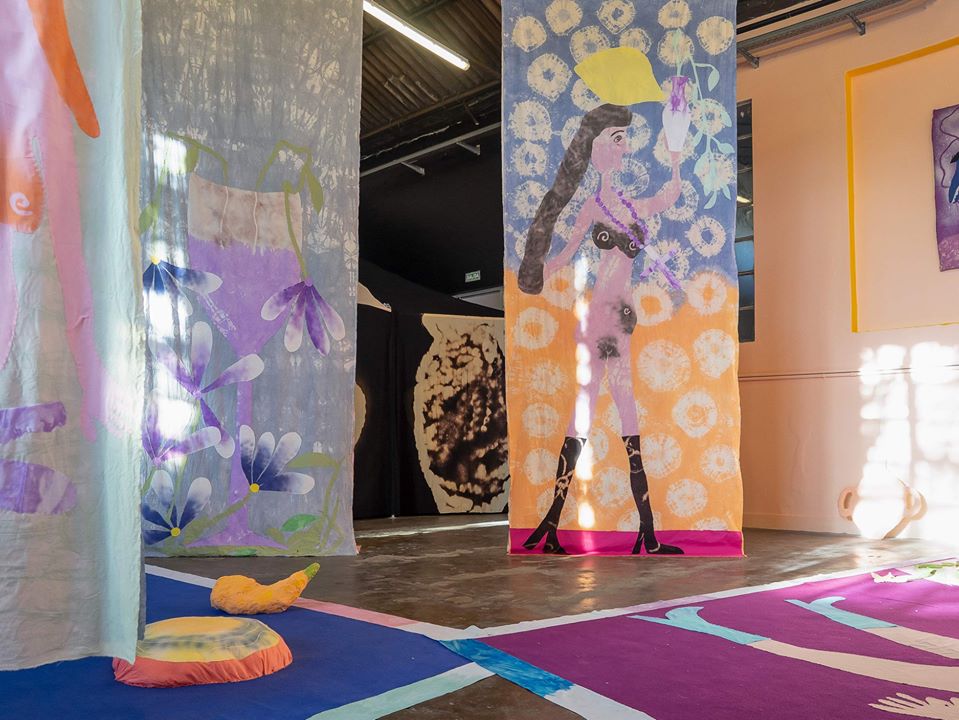
Volume 1: The life of corners, the first manifestation of Celina Eceiza’s ambitious project, A material called Earth, welcomes visitors into an ephemeral architectural space that radically transforms AGB’s Lee-Chin Family Gallery. Made of colourful, hand-dyed, stitched, embroidered textiles and large-scale drawings that cover the walls, floors, and ceilings, the installation’s furnishings invite us to linger, explore, rest, meet, and let our imaginations roam. The work becomes a space of joyous interdependence, with an immersive narrative that toggles between registers, claiming our embodied attention.
Conceptually and performatively spun from the inside out—like a bird’s nest or a child’s fortress improvised in a snowbank—this immersive environment plays host to motley sculptures ranging in scale from palm-sized to near-monumental. Some are soft, waiting to hold our bodies. Others, hard and mottled, gently cradle colourful ceramics—escapees from the AGB’s collection storage shelves that have erupted through the gallery floor. With this careful inclusion of other artists’ works, Eceiza’s installation casts off the lingering myth of artistic “genius” and the privileged, profitable format of the solo exhibition. Instead, The life of corners declares every exhibition or creative initiative is collective. No one ever does anything alone.
El artista nunca piensa solo [The Artist Never Thinks Alone] is, in fact, the title of one of several oversized books. The book provides an illustrated index of Eceiza’s artistic entanglements: made of fabric, each page pays homage to an artist who has shaped Eceiza’s understanding of art—its purpose and potential—and distills what she has learned from their work. In scale, materiality, and process, El artista nunca piensa solo eschews quaint, transactional notions of artistic genealogy, influence, inspiration, and appropriation. Instead, the book’s impassioned stitches and hints of fandom bear witness to an intimate, desiring attention close to the practice of copying. They also serve as Eceiza’s compass and talisman for her first exhibition in Canada.
Eceiza’s work relies on the commitment and skillful hands of many local collaborators working in concert to give form to her vision. The life of corners carries the traces of their touch in the stitches and folds that are as unique as a signature or biometric imprint. The installation asserts that artmaking is a choral-like practice involving other artists—including you and me—who are real and imagined, from the past or to come—for attention itself is an art.
Today, when many sense that the centre no longer holds, if it ever did, A material called Earth offers The life of corners. To the loneliness of the singular centre, the installation substitutes an elsewhere that is already here, bustling with multiple, situated, social entanglements. The life of corners welcomes us, as visitors and participants, into a universe where beauty and pleasure manifest wherever networks of living, moving relations thrive. In this exhibition, concept and material unapologetically advance a renewed, embodied criticality that circulates wildly. Won’t you join in?
—Sylvie Fortin
The exhibition includes ceramic works by Jacob Ahrens, Scott Barnim, Keith Campbell, Bruce Cochrane, Harlan House, Jim Hong Louie, Paul Mathieu, Denise McKay, Mary McKenzie, Mary Philpott, Kasia Piech, Karla Rivera, Barbara Taylor, and Donna Harris Wechsler.
The book, El artista nunca piensa solo [The Artist Never Thinks Alone], includes cameo appearances by Sergio Avello, Melé Bruniard, Mildred Burton, Feliciano Centurión, Germaine Derbecq, Noemí Gerstein, Juan Grela, Alberto Heredia, Aid Herrera, Lido Iacopetti, Alfredo Londaibere, Liliana Maresca, Dignora Pastorello, Lidy Prati, Juan del Prete, and Yente.
With the assistance of the AGB’s team: Suzanne Carte, Hannah deJonge, Helen Liene Dreifelds, Heather Kuzyk, Stephanie Vegh, Rollin King, Joseph Thomson, Breanna Shanahan, Conner Drake, Kate Jackson, Gabbrielle Knapp and the team of volunteer sewing assistants.
Photo: Darren Rigo


Ya quedó inaugurada DORMANCE, exhibición en FRAC Bretagne que se podrá ver hasta el 20 de septiembre. La muestra aloja y dialoga con obras del patrimonio del museo. Los artistas son: Iván Argote, Delphine Bertrand, Amy Bessone, Nicolas Floc’h, Raymond Hains, Ed Hall, Shirley Jaffe, Jan Krizek, André Léocat, Marianne Marić, Valentin Noujaïm, Guillaume Pinard, Paul Van Der Eerden
https://www.fracbretagne.fr/fr/exposition-rennes-2026-celina-eceiza/
Todos los domingos a las 15 hs se realizará una Marathon du Dessin (maratón de dibujo) alrededor de los murales de una de las salas.

Mar. 27. - 28.Survival Strategies IV. – “Subversive Stitch”
Link to participate: https://lehetosegektere.hu/en/programok/survival-strategies-iv-subversive-stitch/
The fourth part of our Survival Strategies, the winter art workshop series of the Space of Opportunity, will be centred around the concept of the ‘social fabric.’
For a long time, making textiles and needlework were considered occupations or a form of folk art practised exclusively by women. The 1960s and 1970s saw an increasing number of female artists question this attitude and adopt textiles or various forms of needlework as the chief medium of their messages. While forgotten female oeuvres are being rediscovered and using textiles has become a vital trend in art, the form has not been widely acknowledged or admitted to the artistic canon.
When it comes to the collective traditions of working with textiles, the spinning rooms in the villages were the most important places for non-urban social life in wintertime up to the advent of modernization in the 20th century. In addition to being opportunities for working in company and for passing on skills (spinning, weaving, embroidery) from one generation to the next, these occasions were also important for the cultivation of connections, the exchange of information and entertainment – including for the men who dropped by. While the modern lifestyle has mostly deprived needlework of its usefulness, women’s activist groups around the world keep rediscovering this tradition – often in archaic women’s communities – and use it as a means of community action against social injustices.
The expression, ‘social fabric’ likens the structure of society to that of a textile composed of threads. The threads that make up this fabric are the institutions that define the confines within which society can or must function, as well as the invisible connections, norms and unwritten rules that hold it together. This year’s programme focuses on the socio-cultural environment that shapes identity, as well as on the need for collective care and protective spaces. The textile- and needlework-based methods introduced by the artists we have invited will allow participants to represent personal and collective stories. The sessions are also meant to facilitate the creation of momentary or permanent communities through the act of collective creation. You do not need any experience in needlework to participate in the workshop; we will create a space where anyone can work with textiles, regardless of their gender/affiliations/interests.
(1) The title refers to a 1984 book by British feminist art historian Rozsika Parker, in which she shows how, historically, needlework has been associated with femininity and the role of the passive housewife, and how, from the 19th century onwards, it became a means of resistance and self-expression for women.
March 27, 2026, 18.00 – 19.30 Presentation by Celina Eceiza
March 28, 2026, 11.00 – 17.00 Workshop with Celina Eceiza
“Drawing: the oldest, the most modern, the most difficult, and the cheapest means of expression in the world.”*
This statement, articulated in 1979 by América Sanchez (Buenos Aires, 1939) and Norberto Chaves (Buenos Aires, 1942 – Barcelona, 2024)—two Argentine designers, educators, and drawing enthusiasts living in Barcelona, who that same year wrote Promoción internacional para el estudio y la práctica autodidacta del dibujo (International Promotion for the Study and Self-Taught Practice of Drawing)—provides the conceptual framework for this workshop.
Is it possible to identify a practice shared by all human beings? While not universally cultivated, drawing is arguably one of the most widely experienced forms of expression. At some point, most people have used a pencil to sketch, trace, or doodle in order to communicate something that exceeded the limits of language.
Over time, drawing often becomes associated with skill, talent, or specialization, leading many to abandon it. This workshop challenges that assumption. It begins from the premise that drawing is not a matter of expertise but of gesture: a fundamental human capacity grounded in the movement of the hand.
No prior experience is required. We will approach drawing from its most elementary dimension — as a physical act that produces marks in space. By foregrounding gesture over representation, the workshop seeks to reposition drawing as a shared and accessible practice.
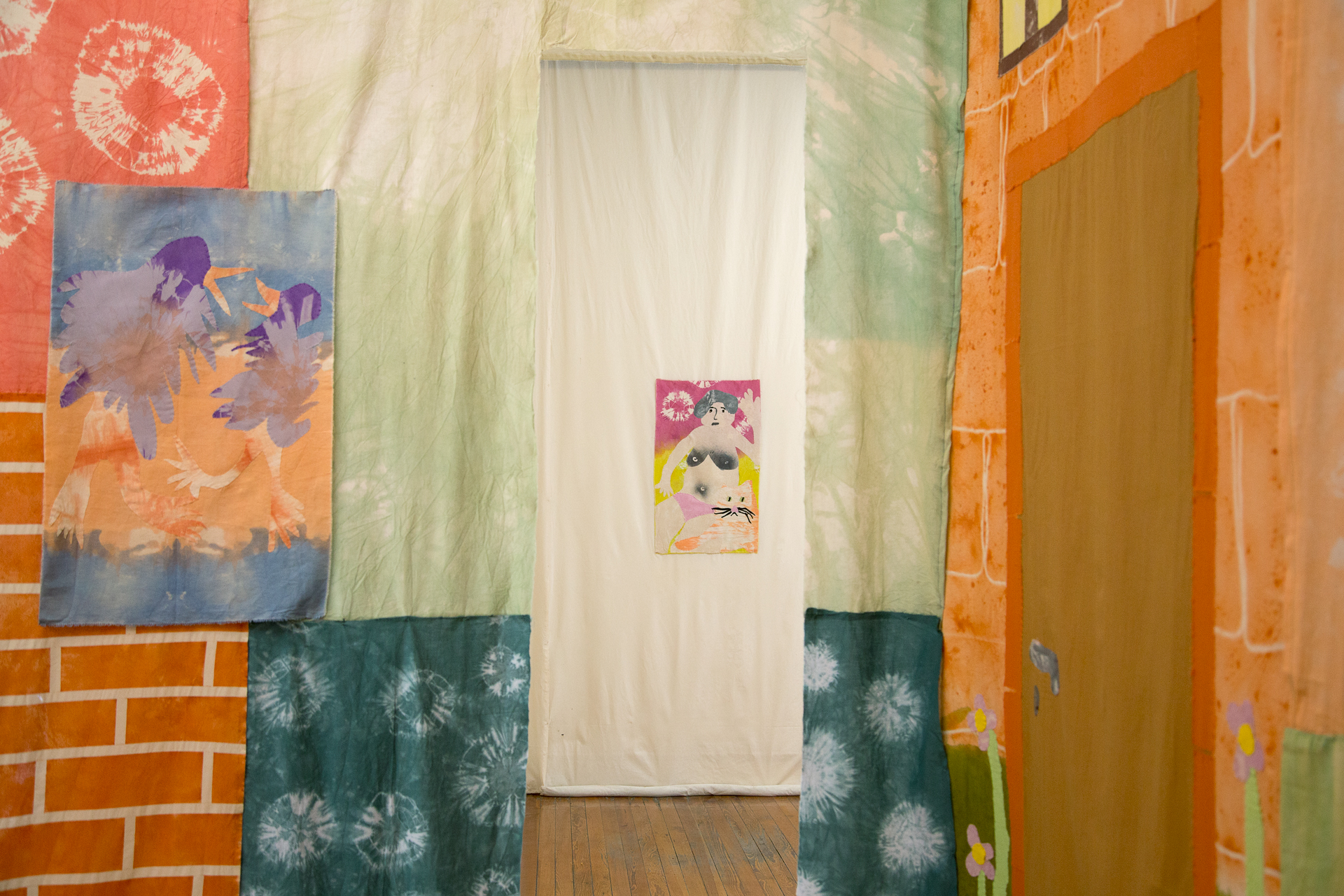
Participants will collectively construct a temporary textile architecture that functions both as environment and medium. The space itself will become the surface for inscription. Windows and doors will be outlined, baseboards will host small-scale interventions, and the soft walls will receive marks that extend according to the reach and scale of the body. Through these actions, drawing will operate not only as image-making but as spatial articulation.
Working collectively also introduces critical questions: Where does one gesture end and another begin? How is authorship negotiated on a shared surface? What forms of responsibility emerge when drawing becomes a relational act? Rather than conceiving drawing as imitation or reproduction, this workshop proposes it as a practice through which shared space is constructed and negotiated. The site of the workshop, located in direct contact with the street, further expands this inquiry. It invites consideration of permeability between interior and exterior, and raises the possibility of extending the drawing beyond the confines of the workshop space, engaging passersby as potential participants.
In this sense, drawing is approached not merely as a technique, but as a collective practice that redefines space, authorship, and participation.
*https://clubdeldibujo.com/…/09/01-CdD-Sanchez-Chaves.pdf
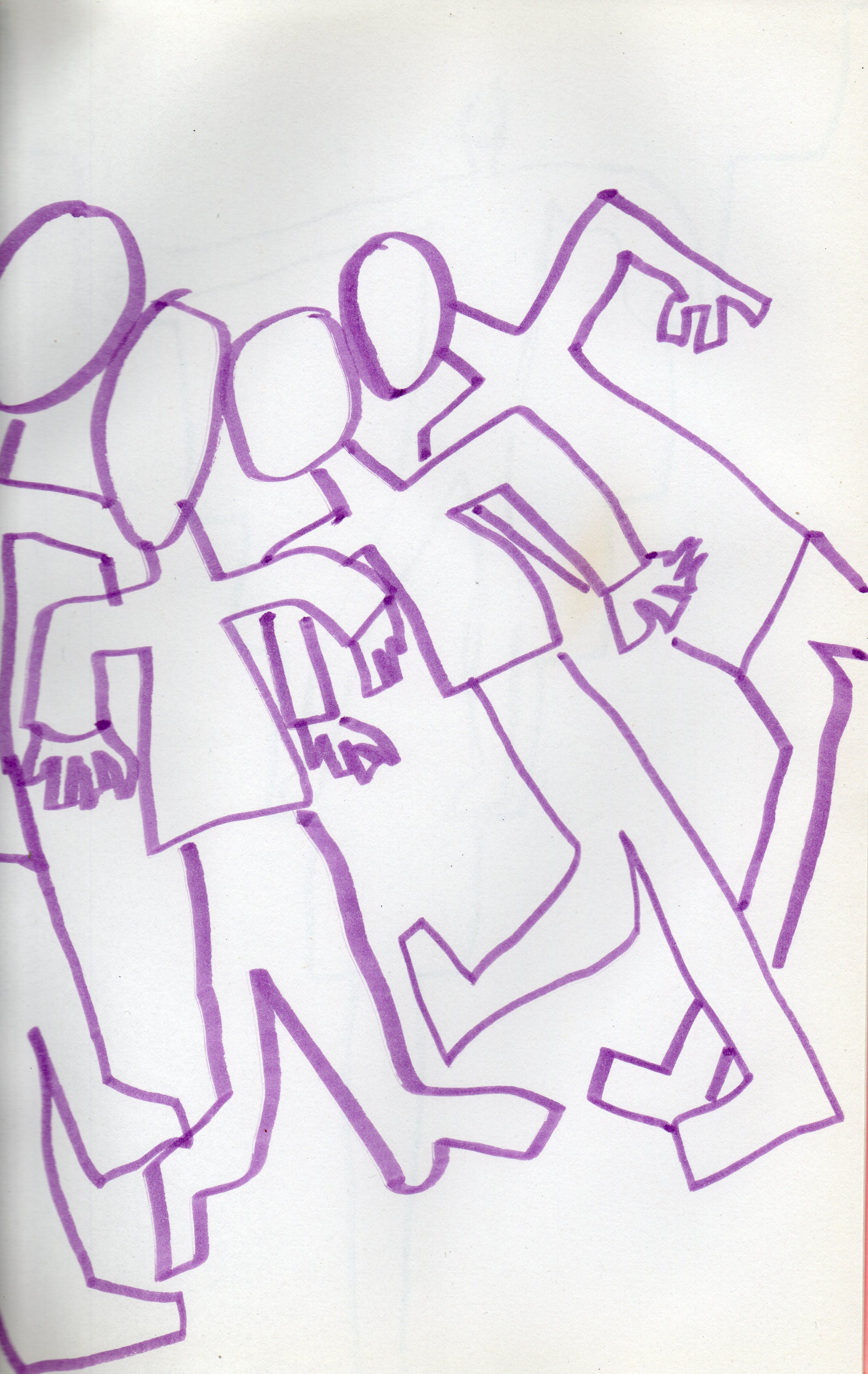


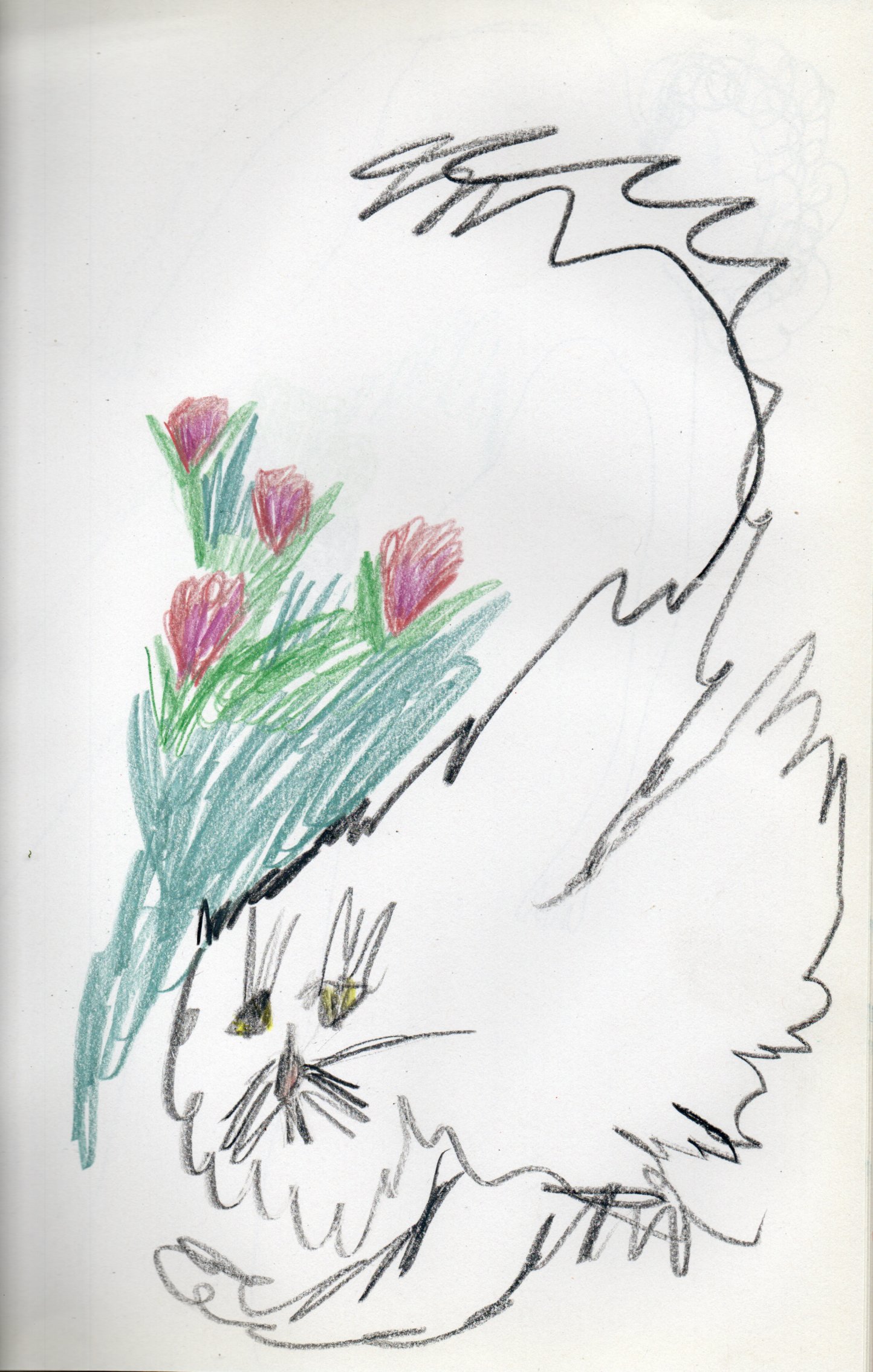


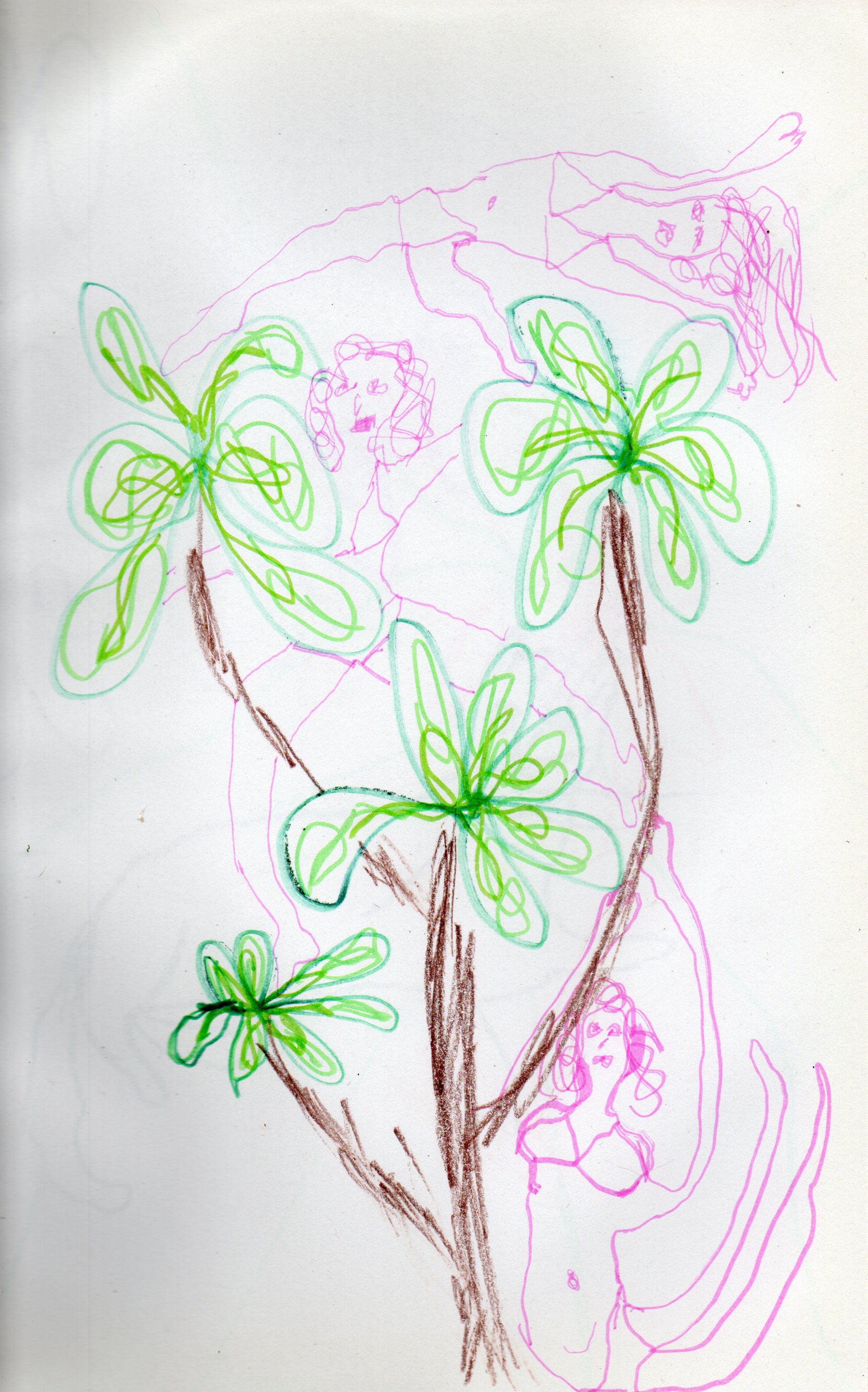
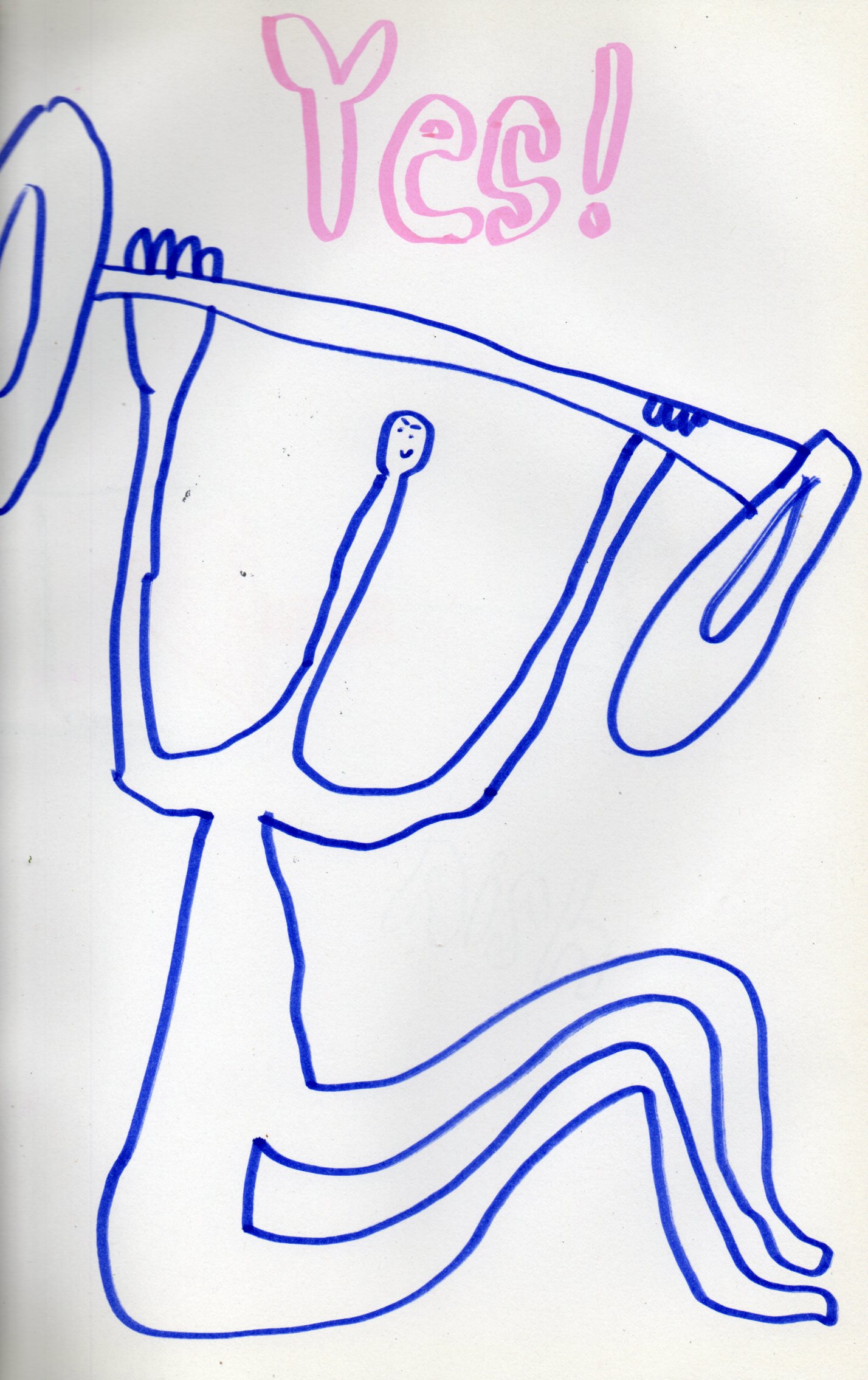
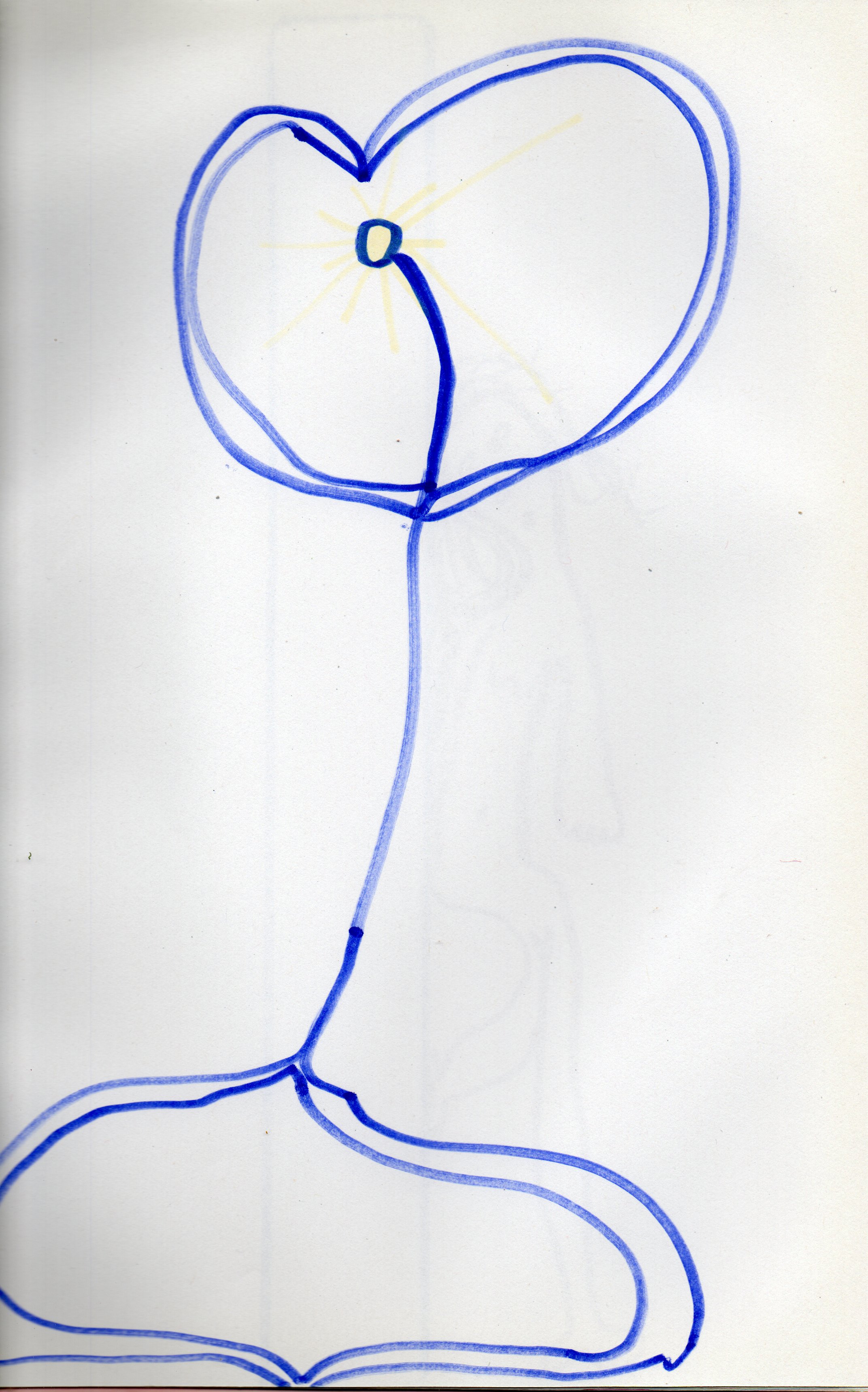
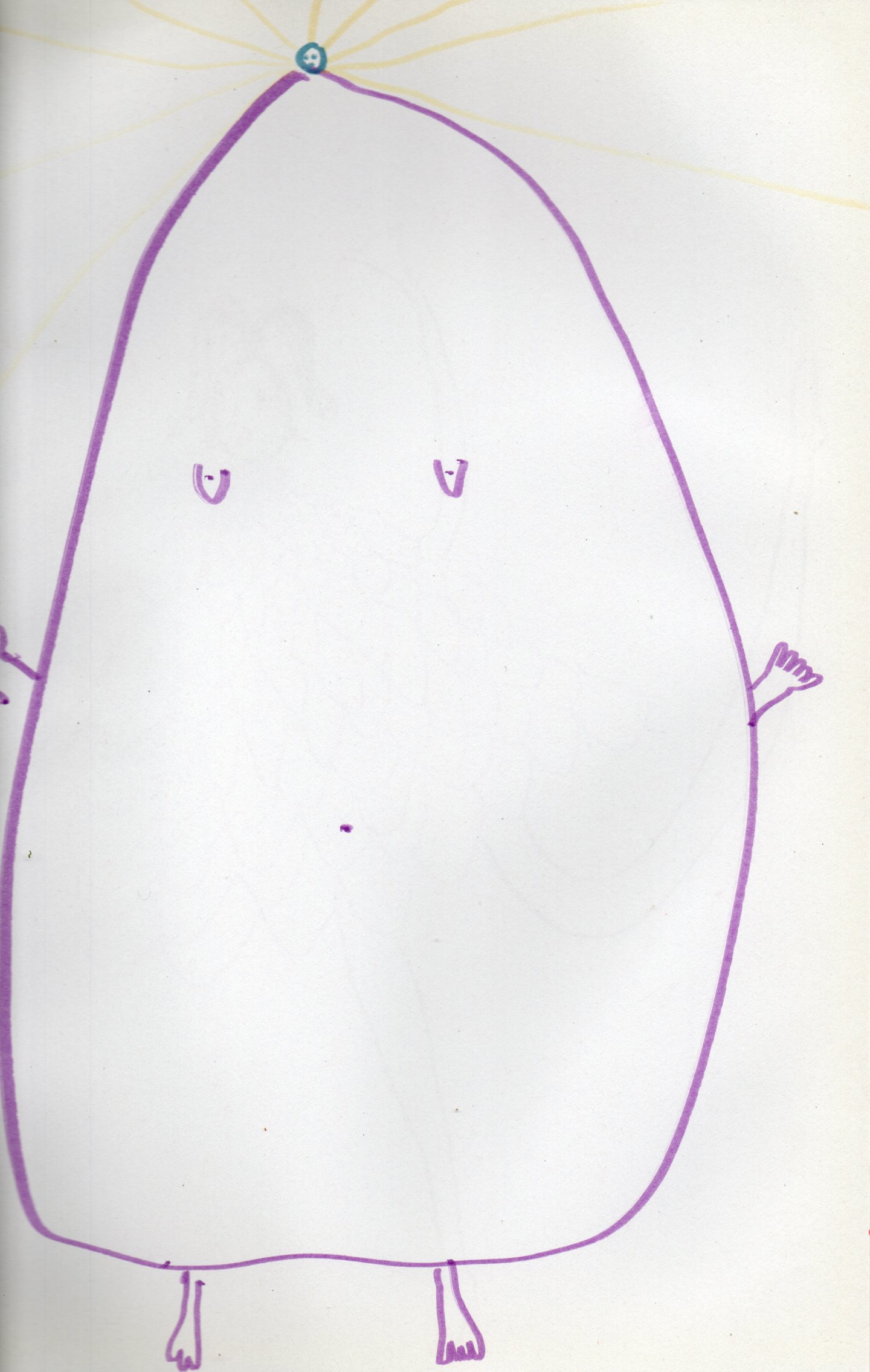
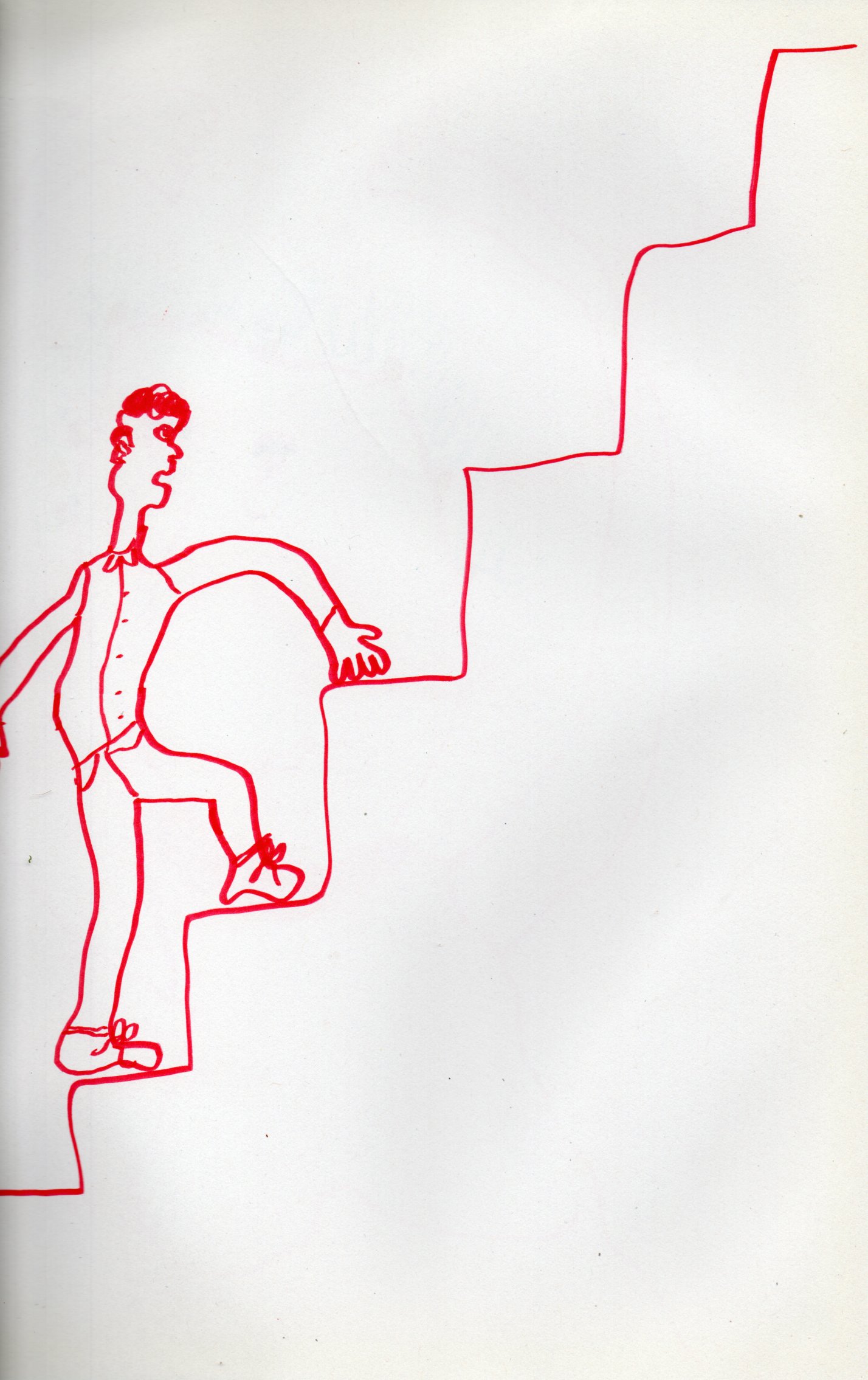
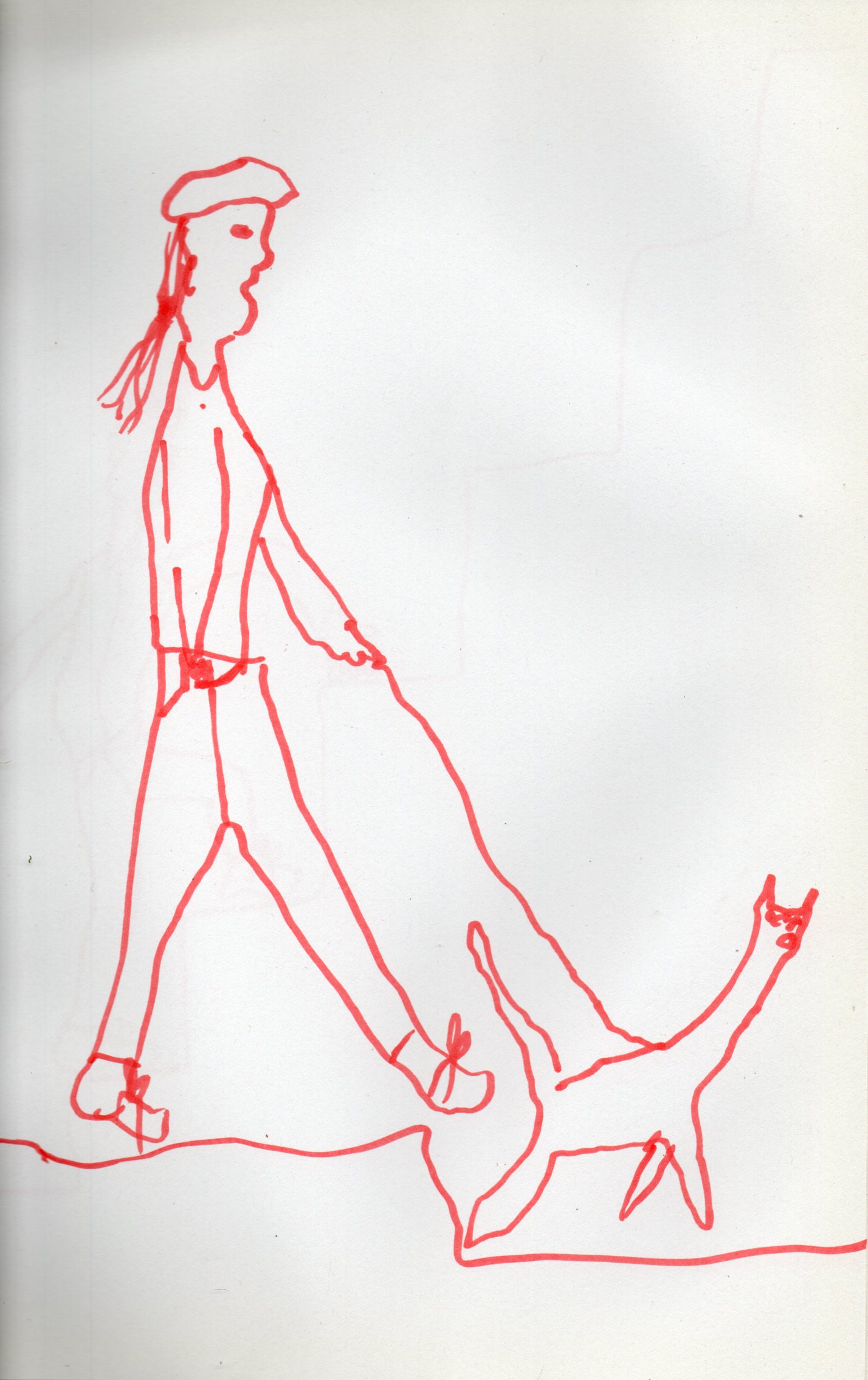

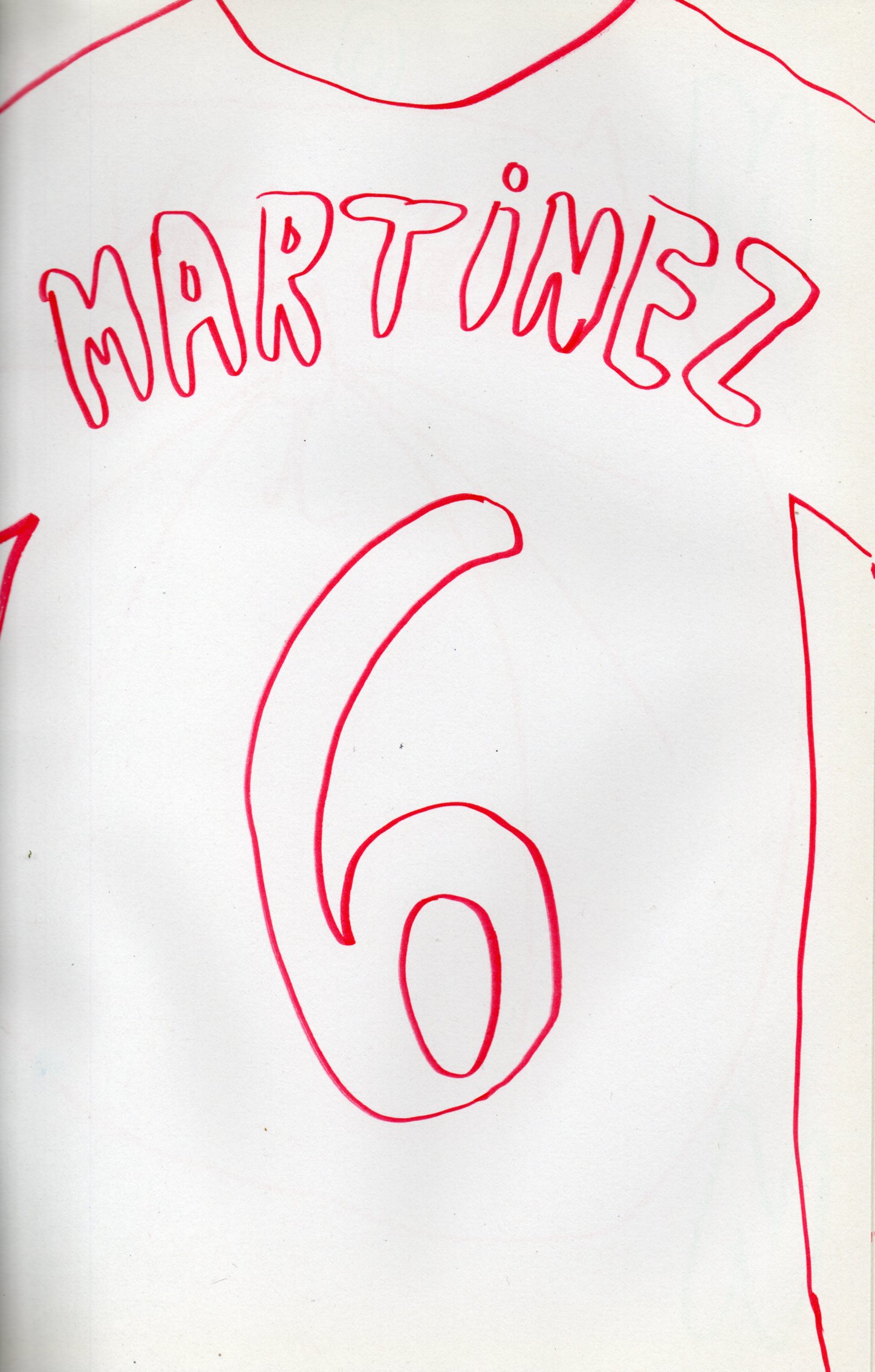
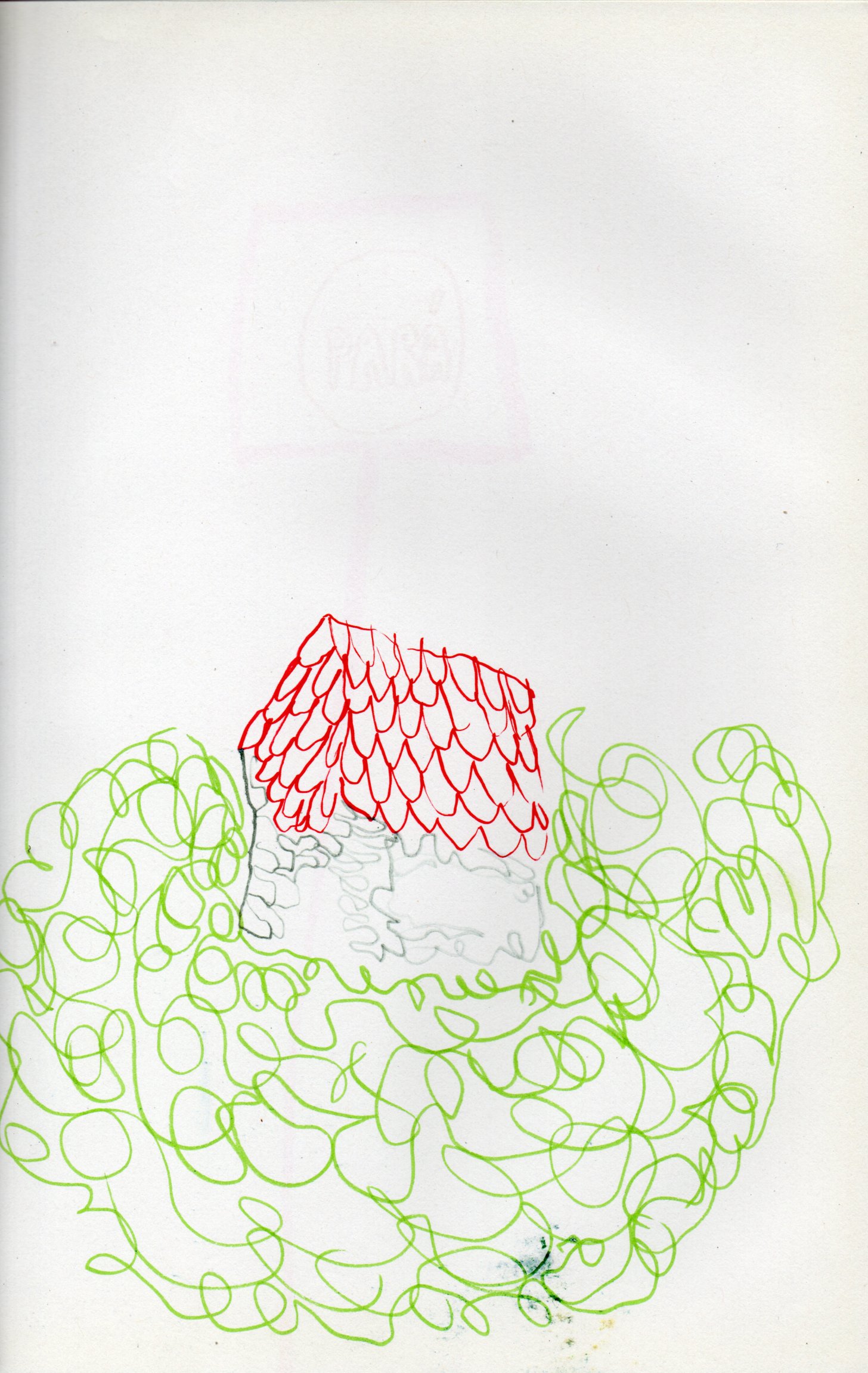


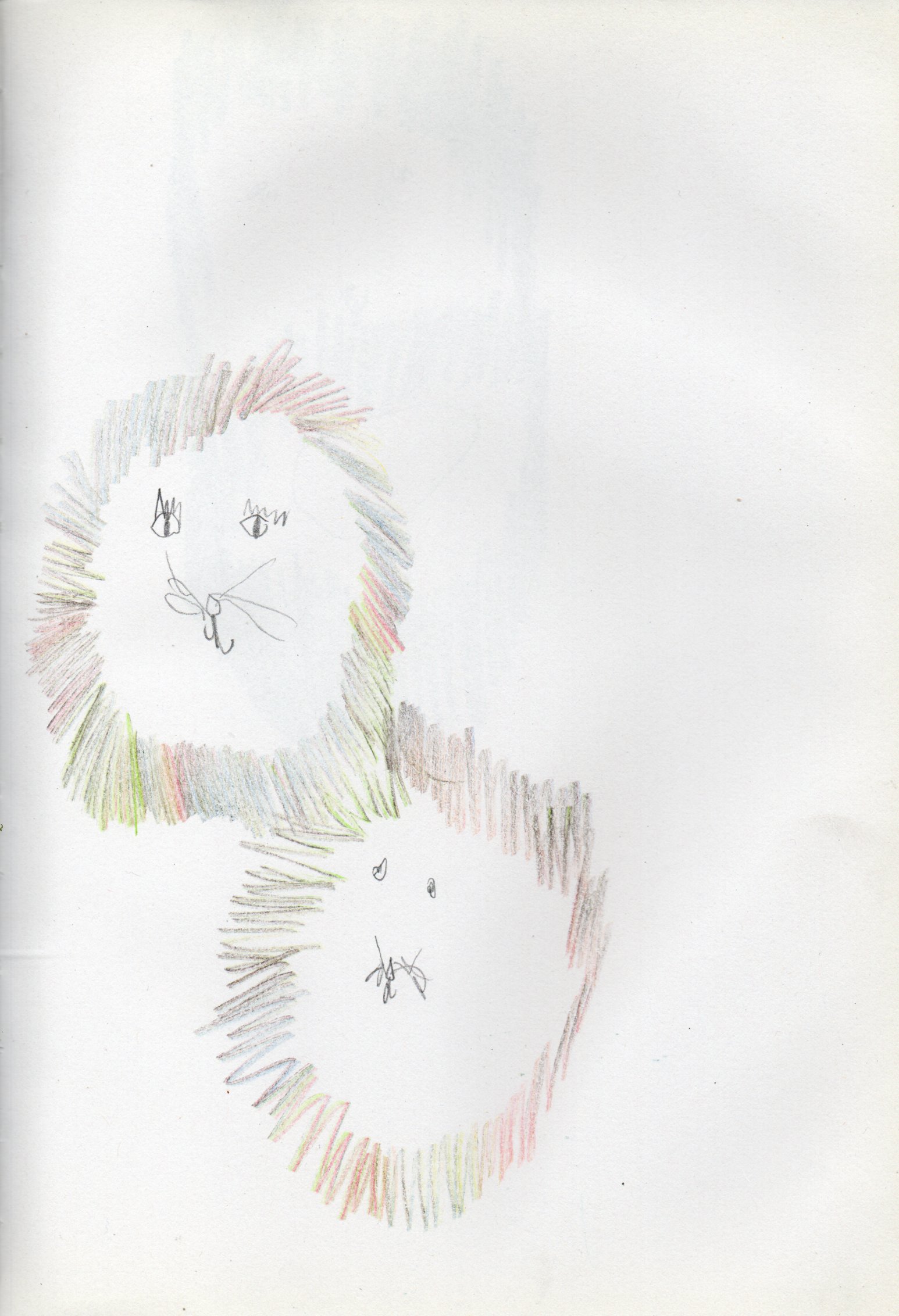
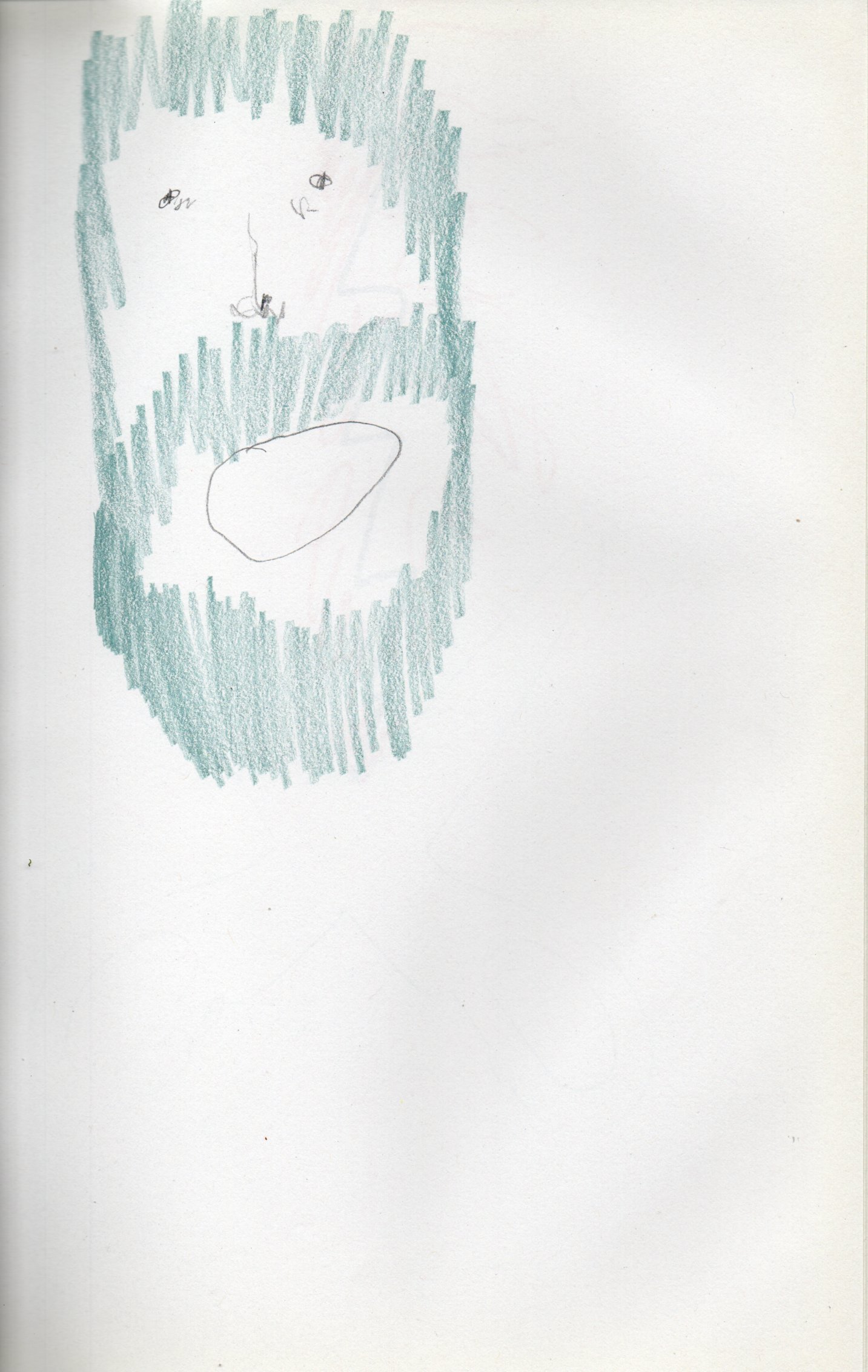
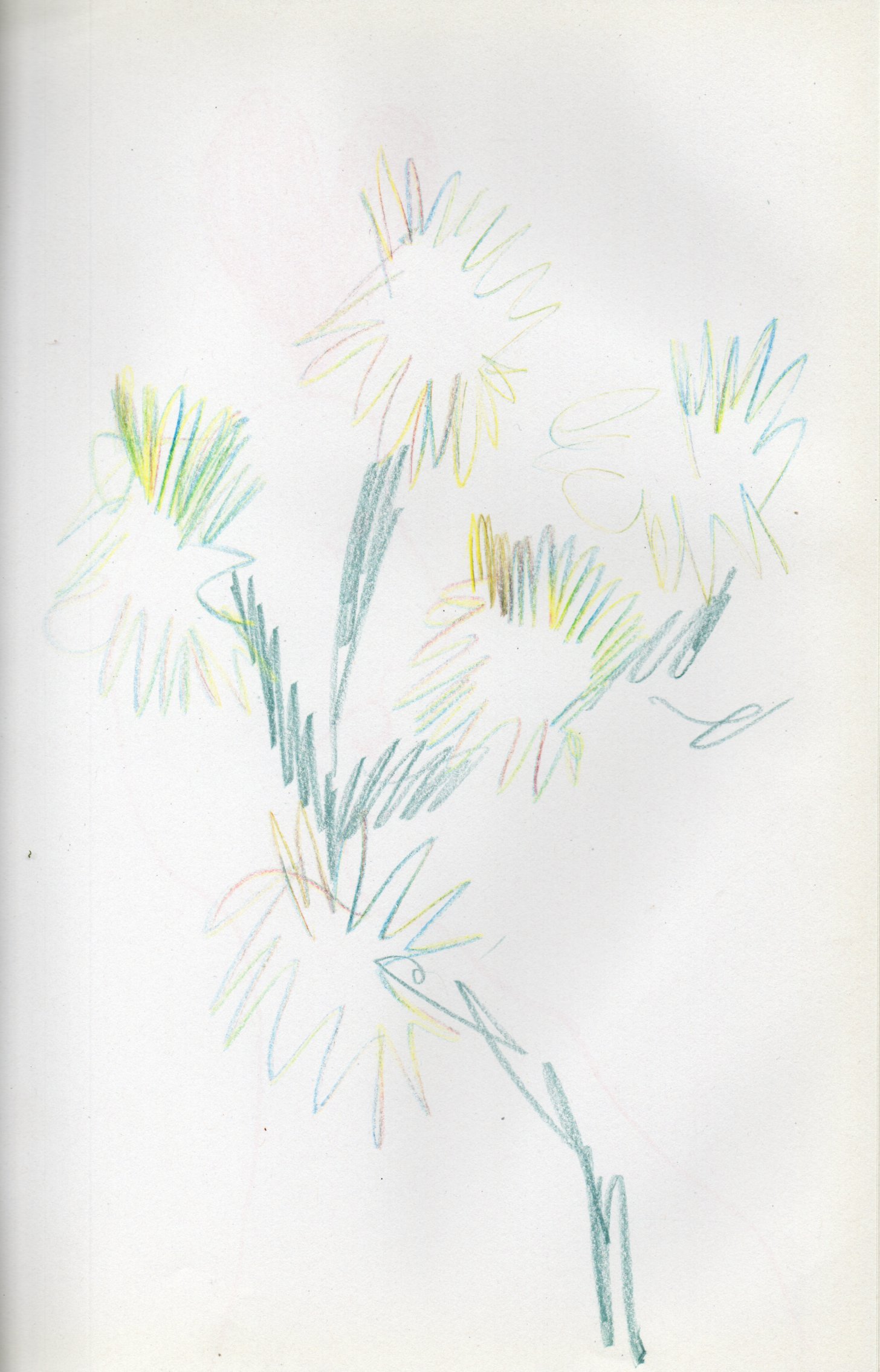

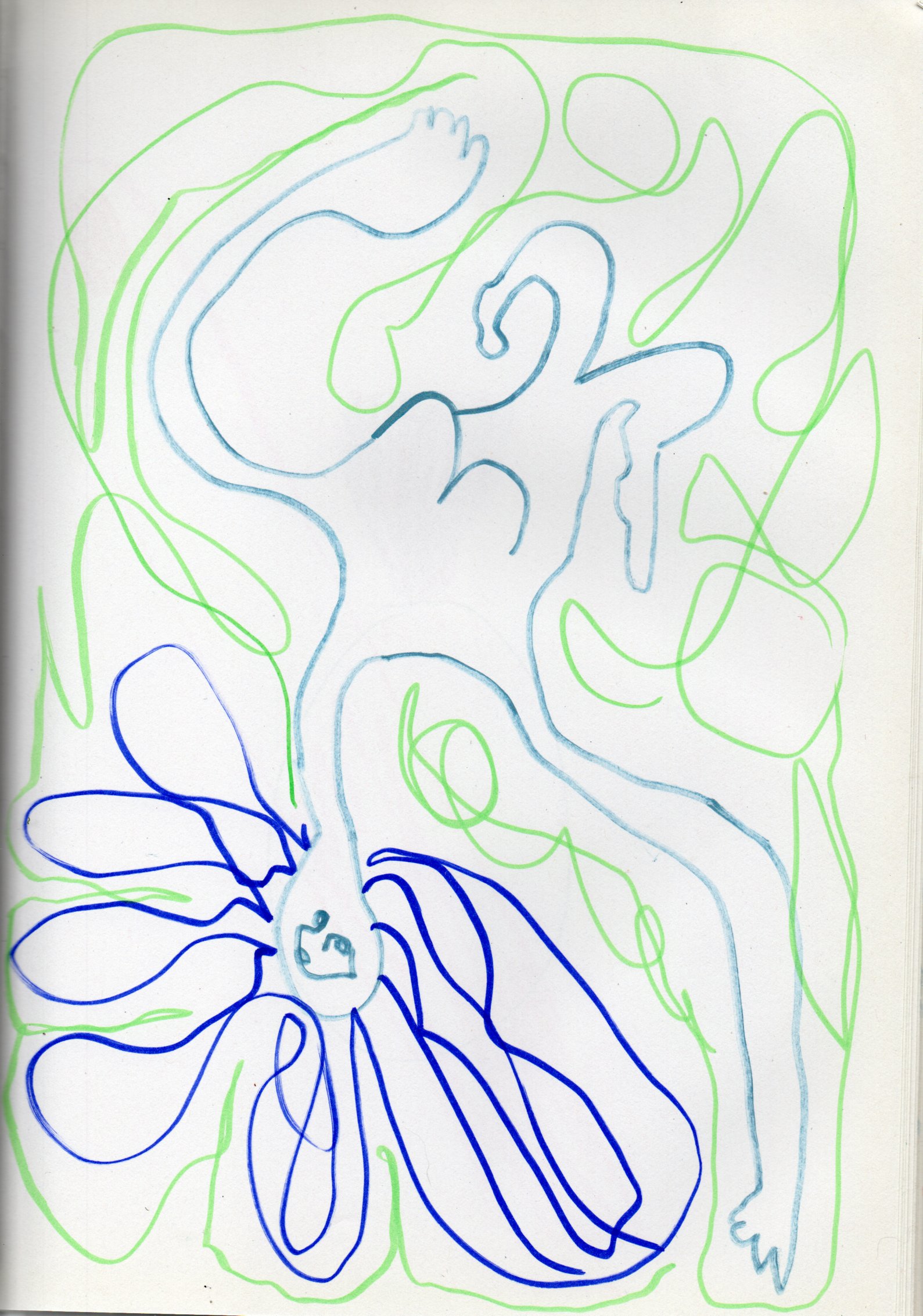

DIBUJO TE AMO
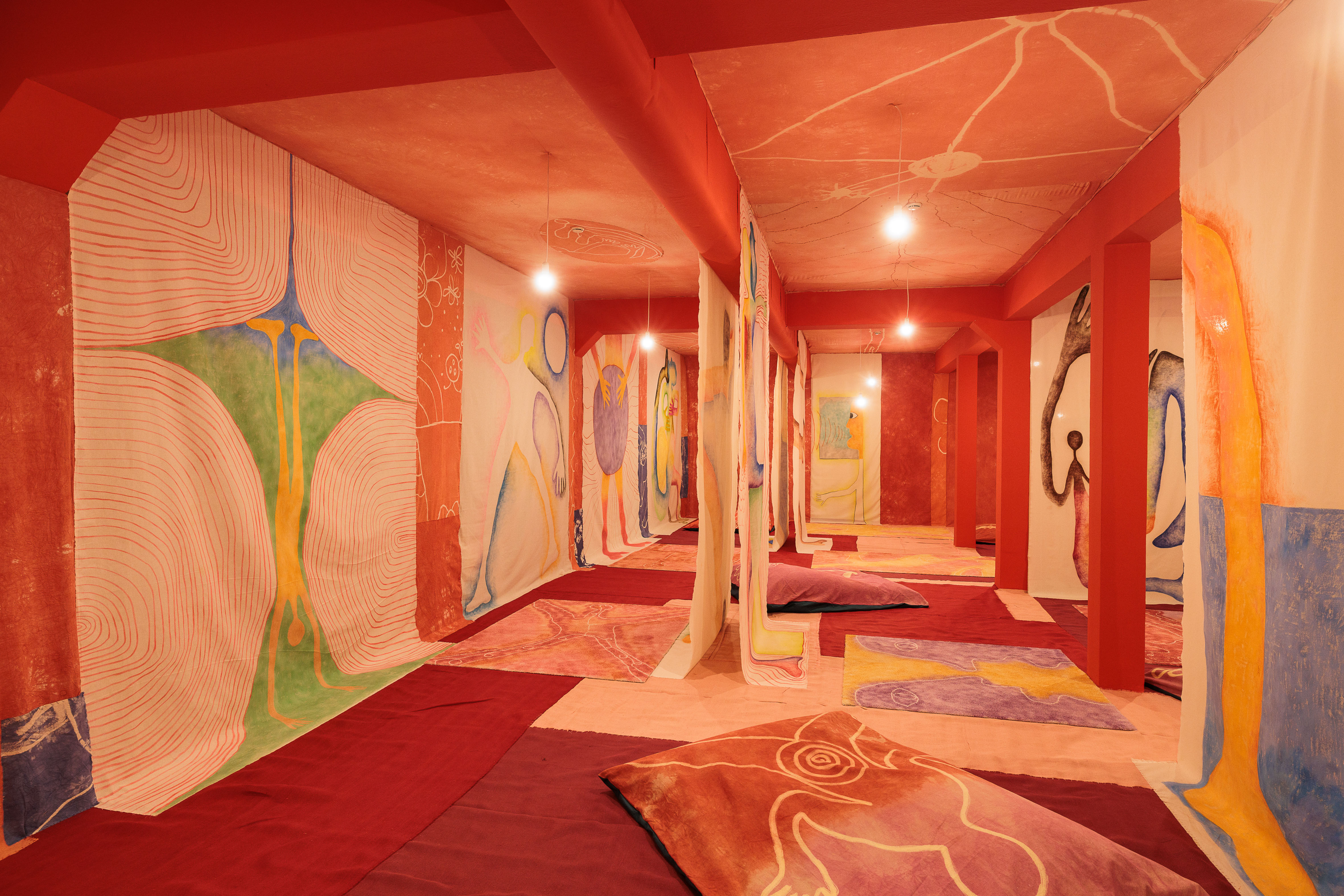
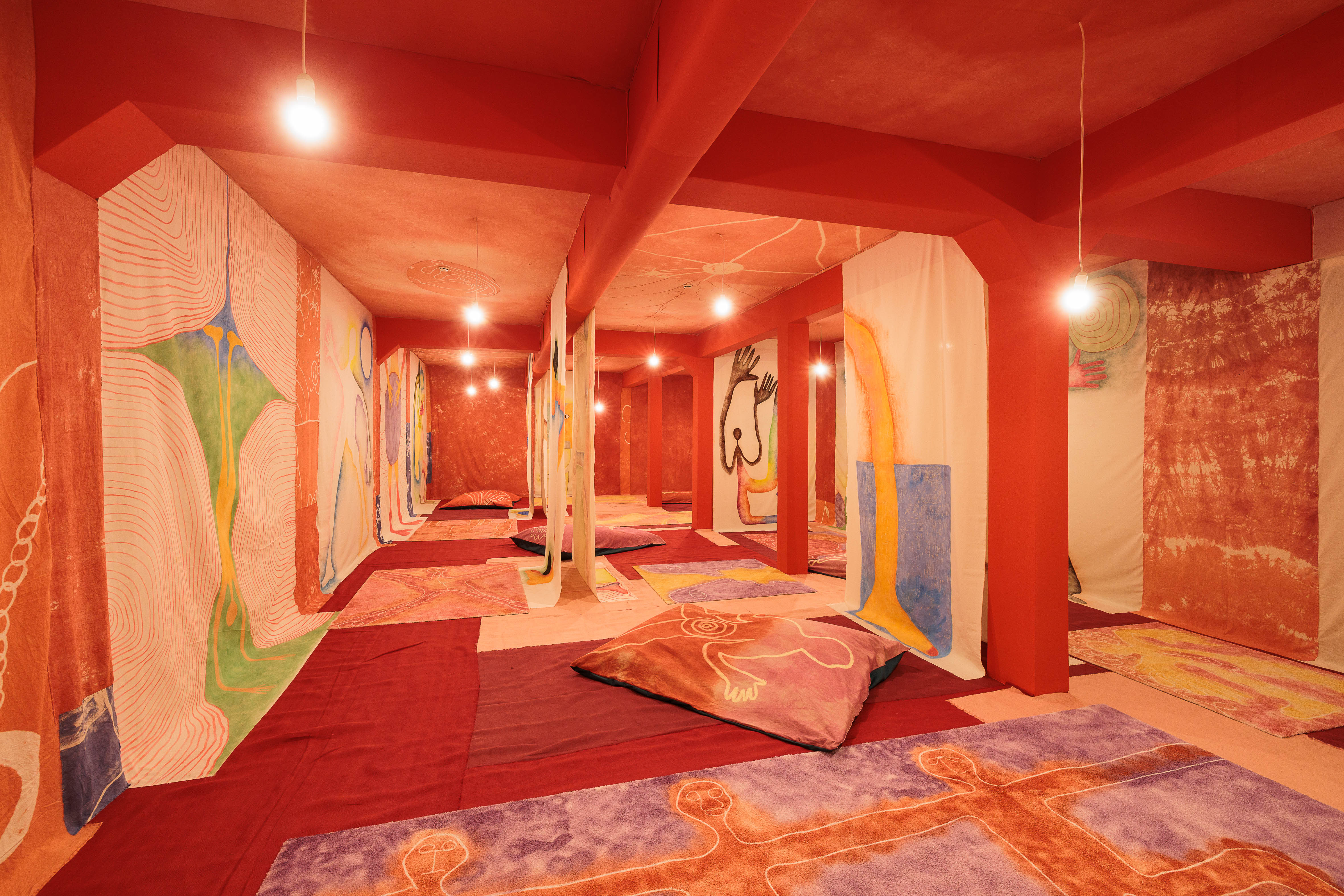
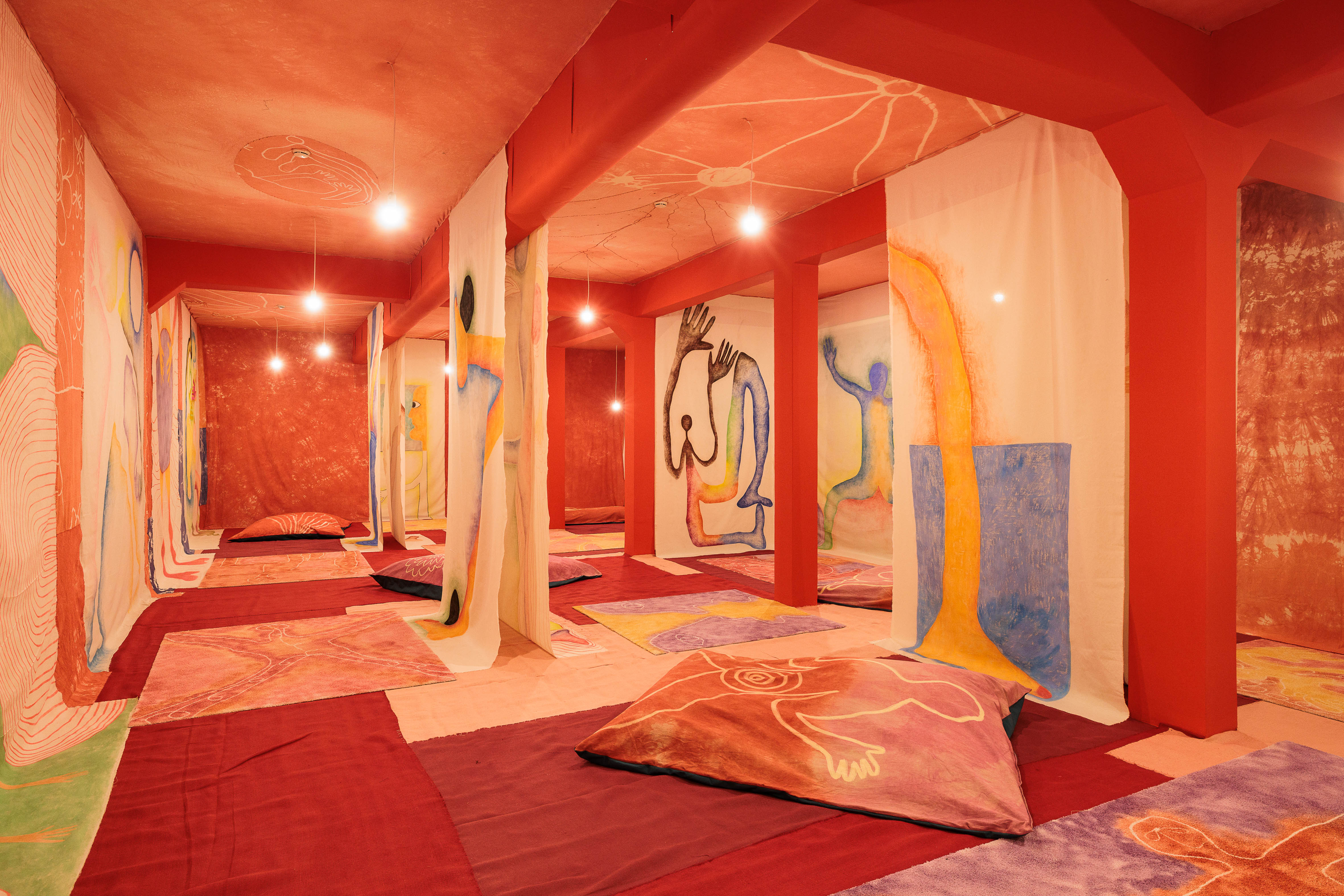


Ofrenda at HALLE FÜR KUNST Steiermark. Coproduction: Museo de Arte Moderno de Buenos Aires 25.10.2025–18.1.2026.https://halle-fuer-kunst.at/ausstellungen/celina-eceiza-ofrenda/#presse
Photo: kunst-dokumentation.com
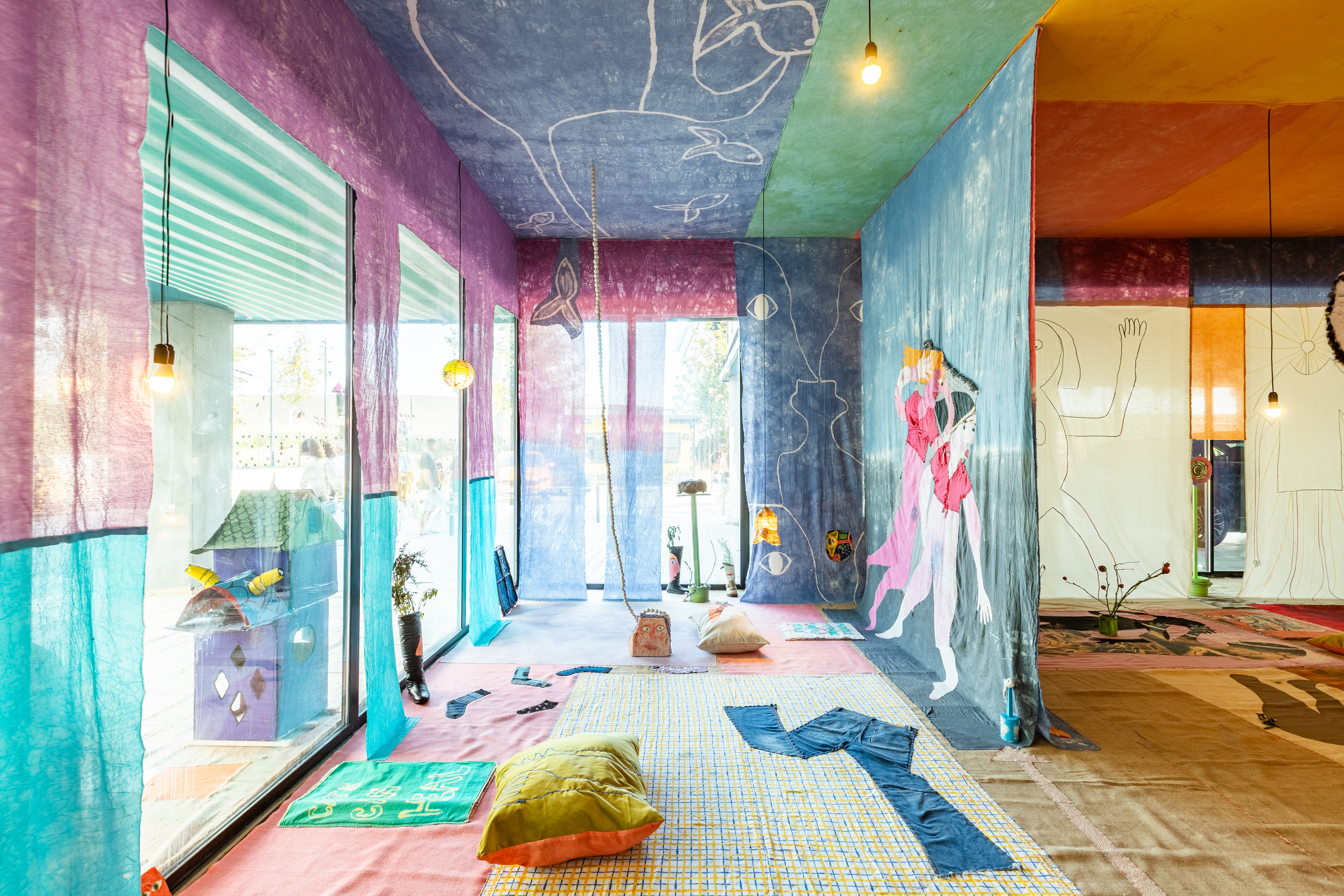
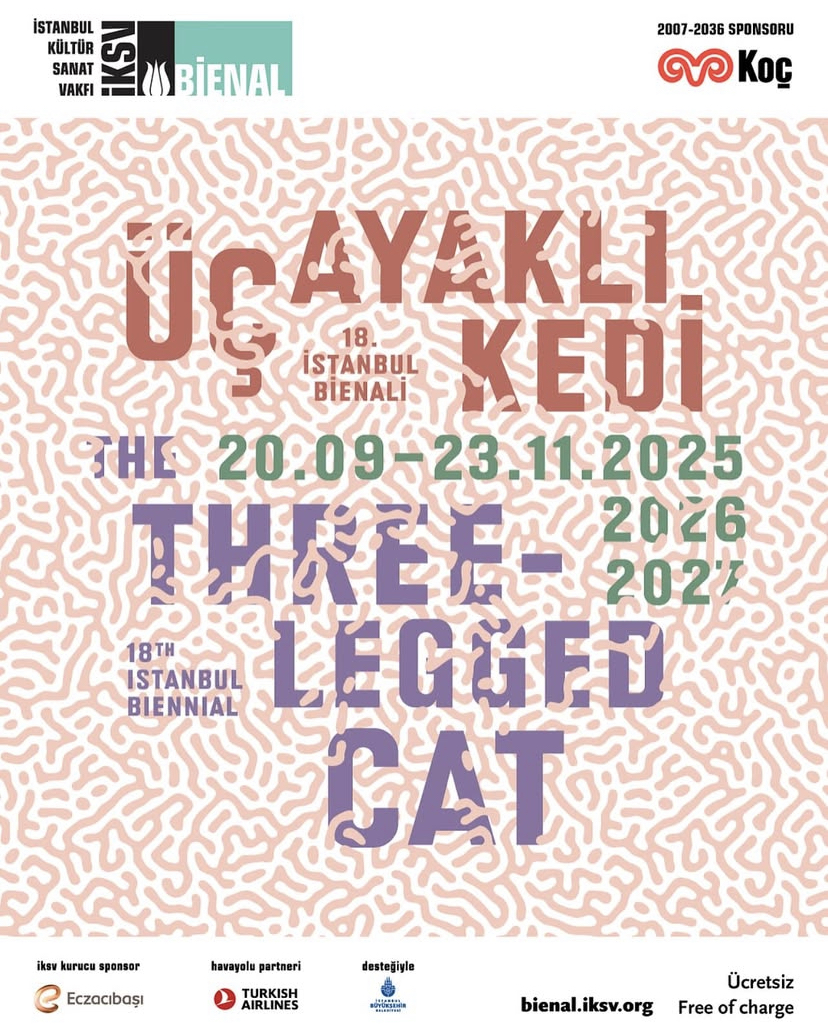
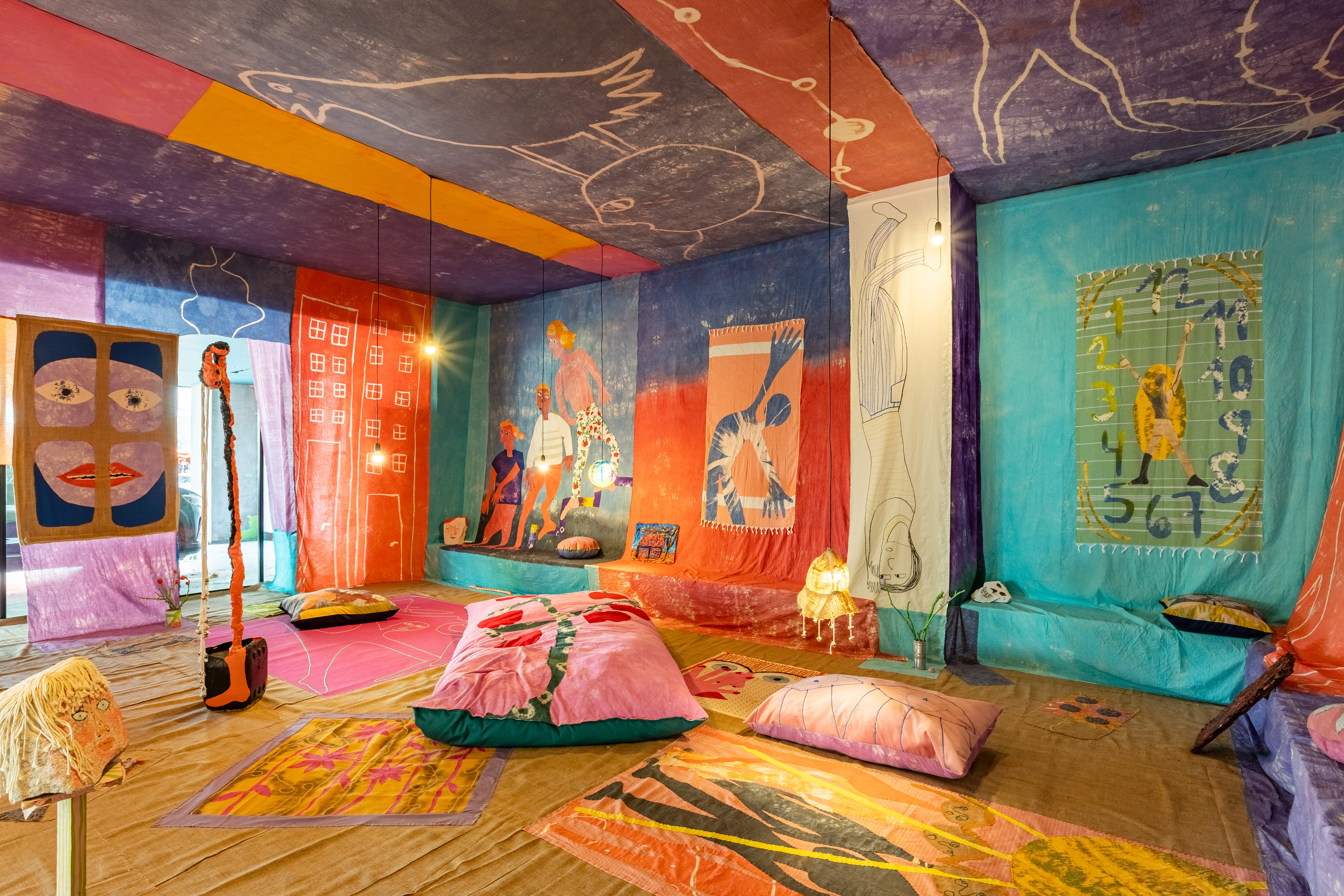
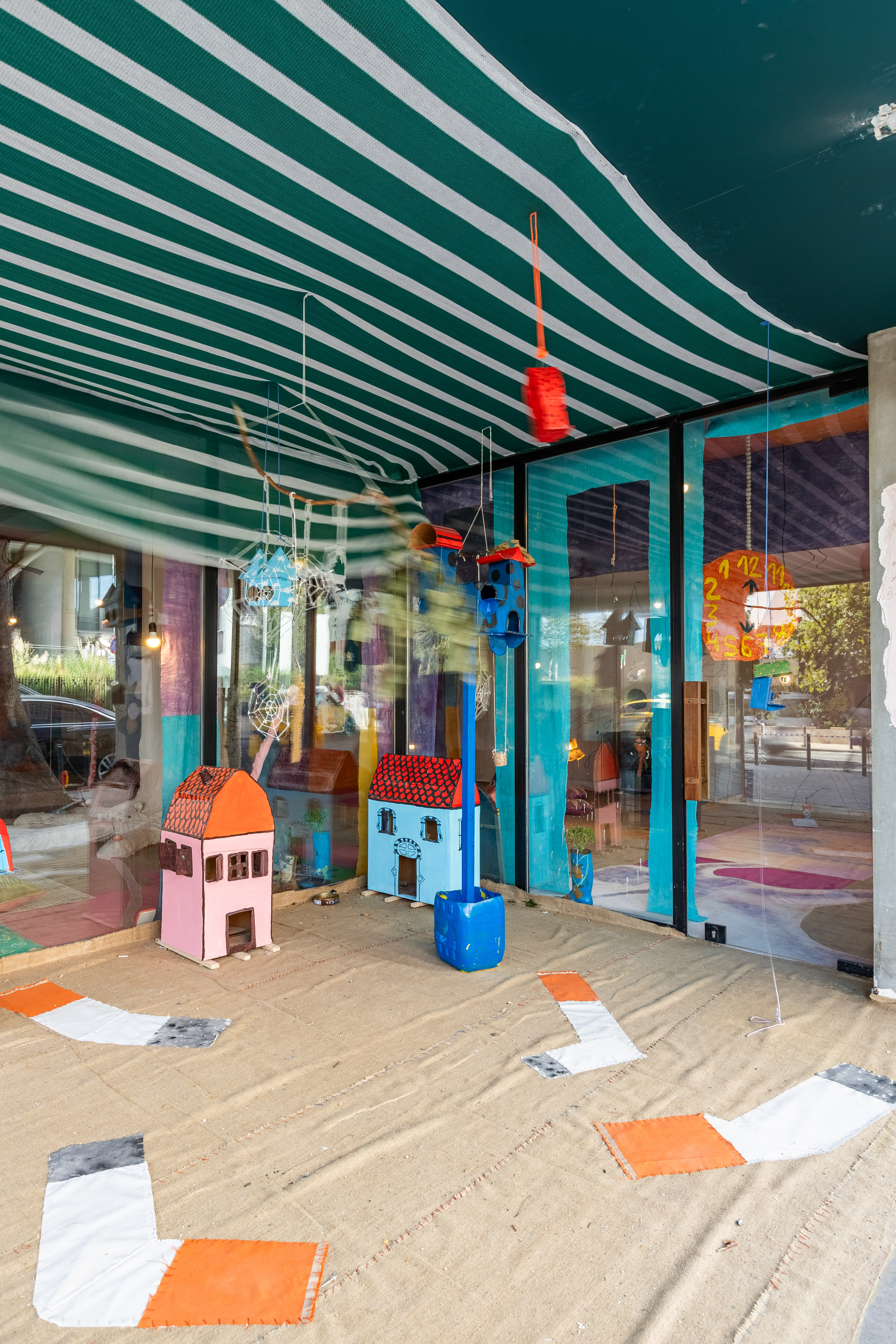
Del 20 de septiembre al 23 de noviembre estoy participando de la 18 Bienal de Estambul con la obra “Un nido es una fruta que se hincha /A nest is a fruit that swells”. 2025


Punto de Fuga, muestra que celebra los 10 años de Móvil, curada por Sylvie Fortín, Solana Molina Viamonte y Alejandra Aguado.
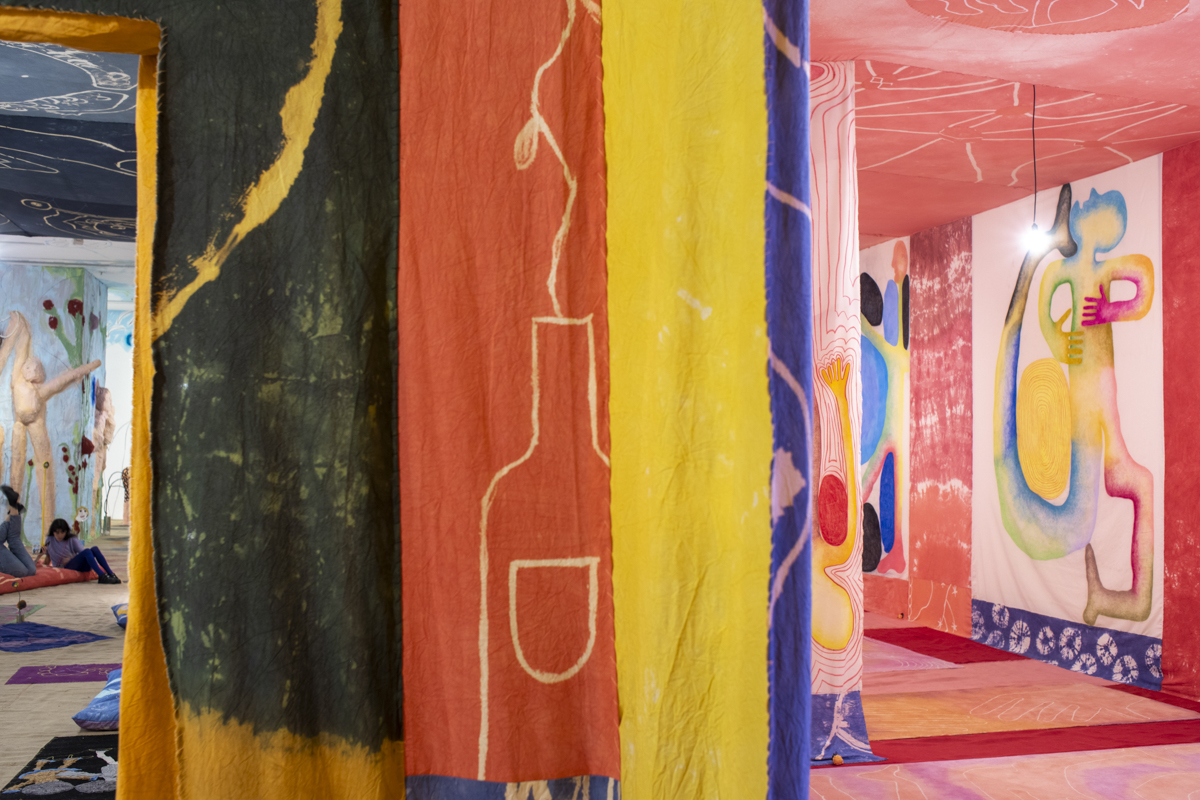
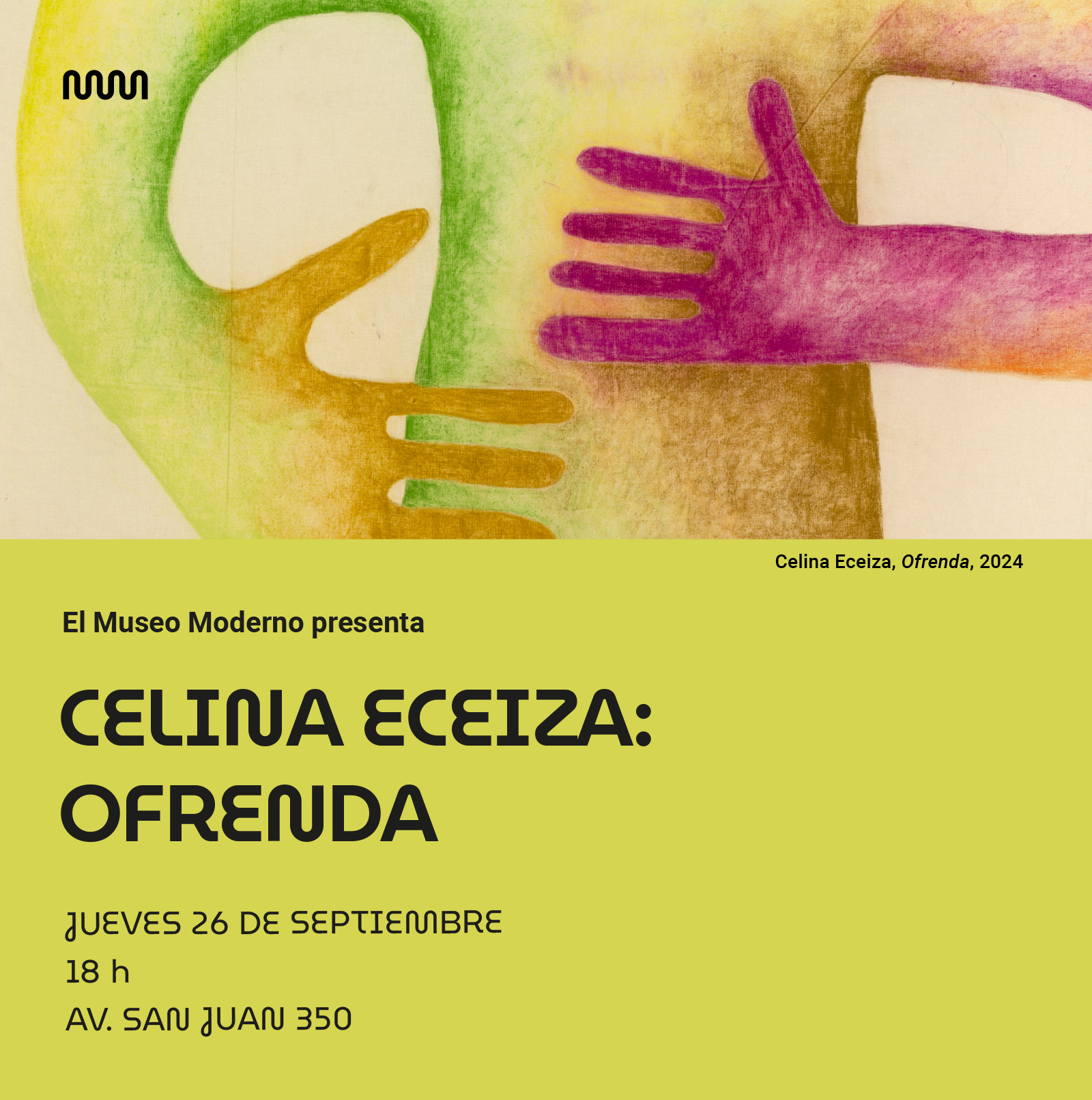

Ya quedo inaugurada mi muestra ¨Ofrenda¨, curada por Jimena Ferreiro en el Museo de Arte Moderno de Buenos Aires. Foto Josefina Tomassi.
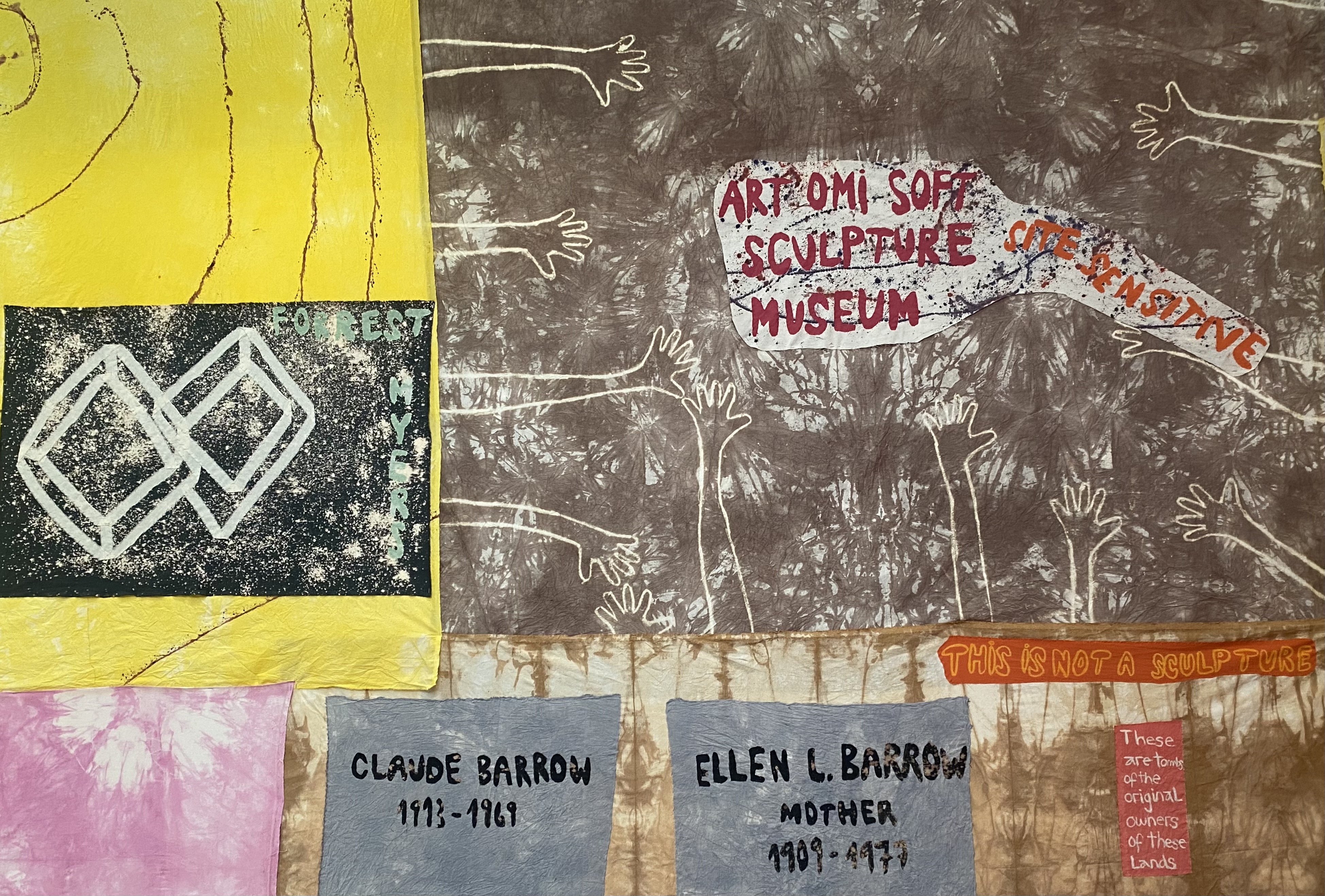
Art Omi soft sculpture Museum. Residencia Art Omi , junio-julio 2024.
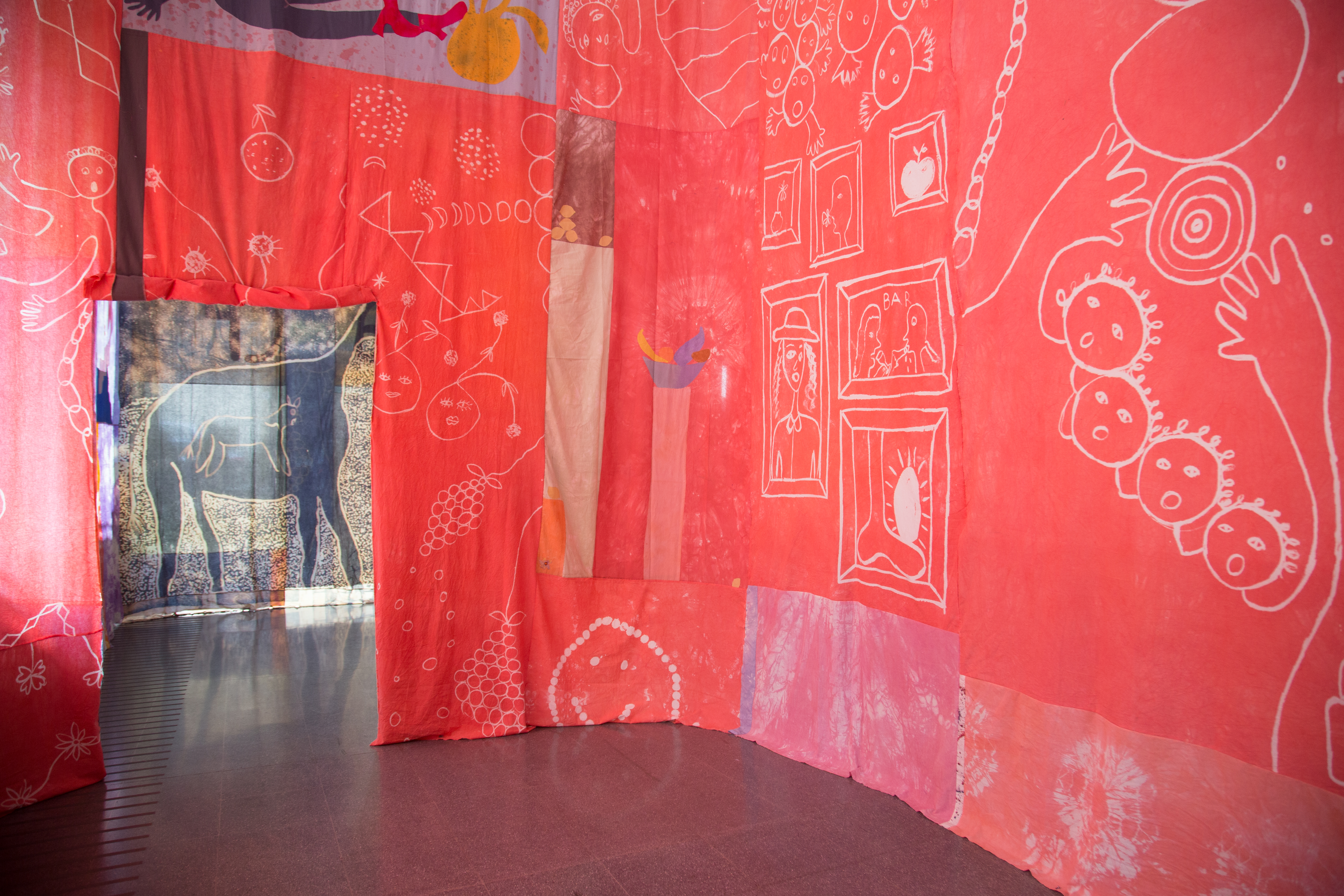
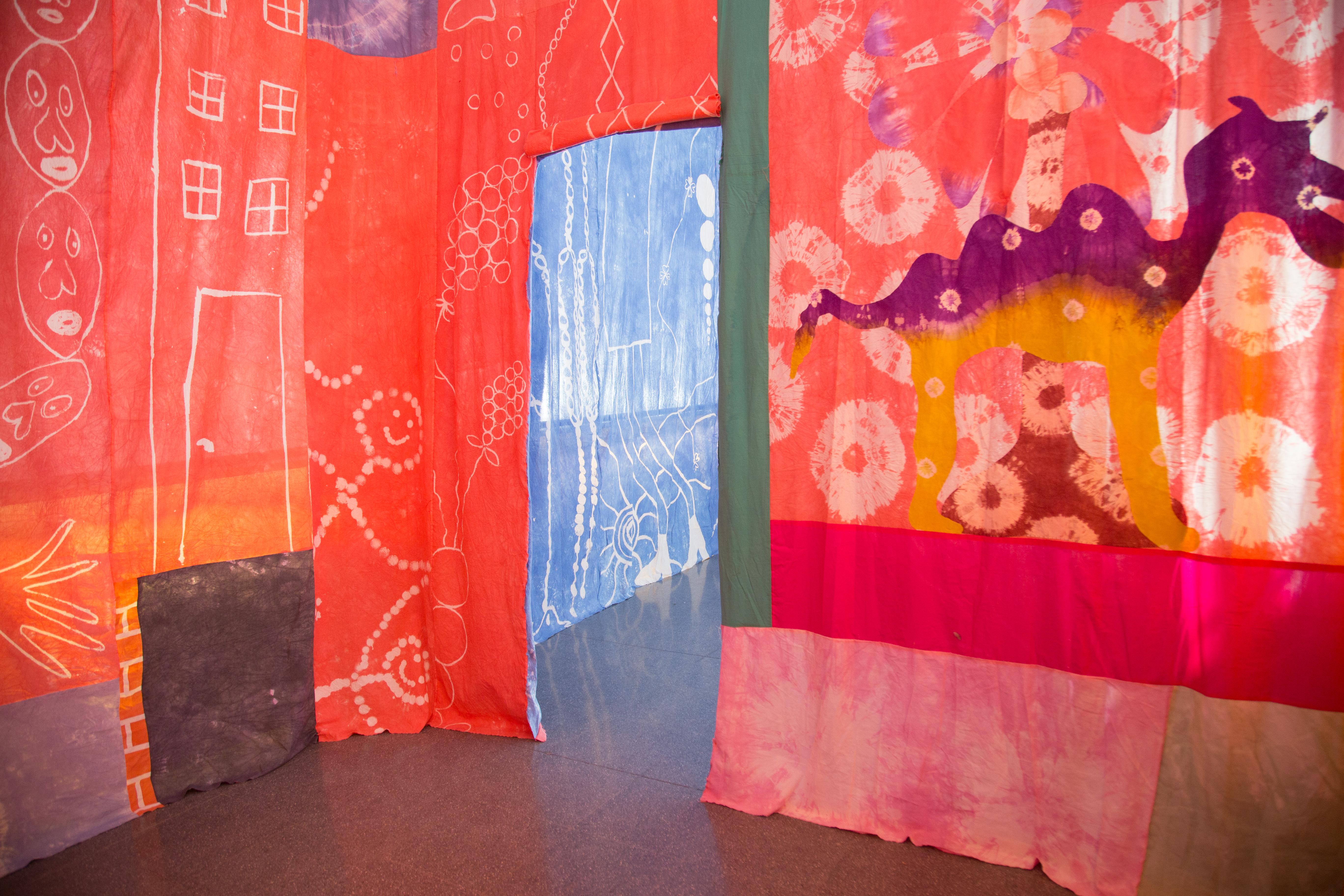
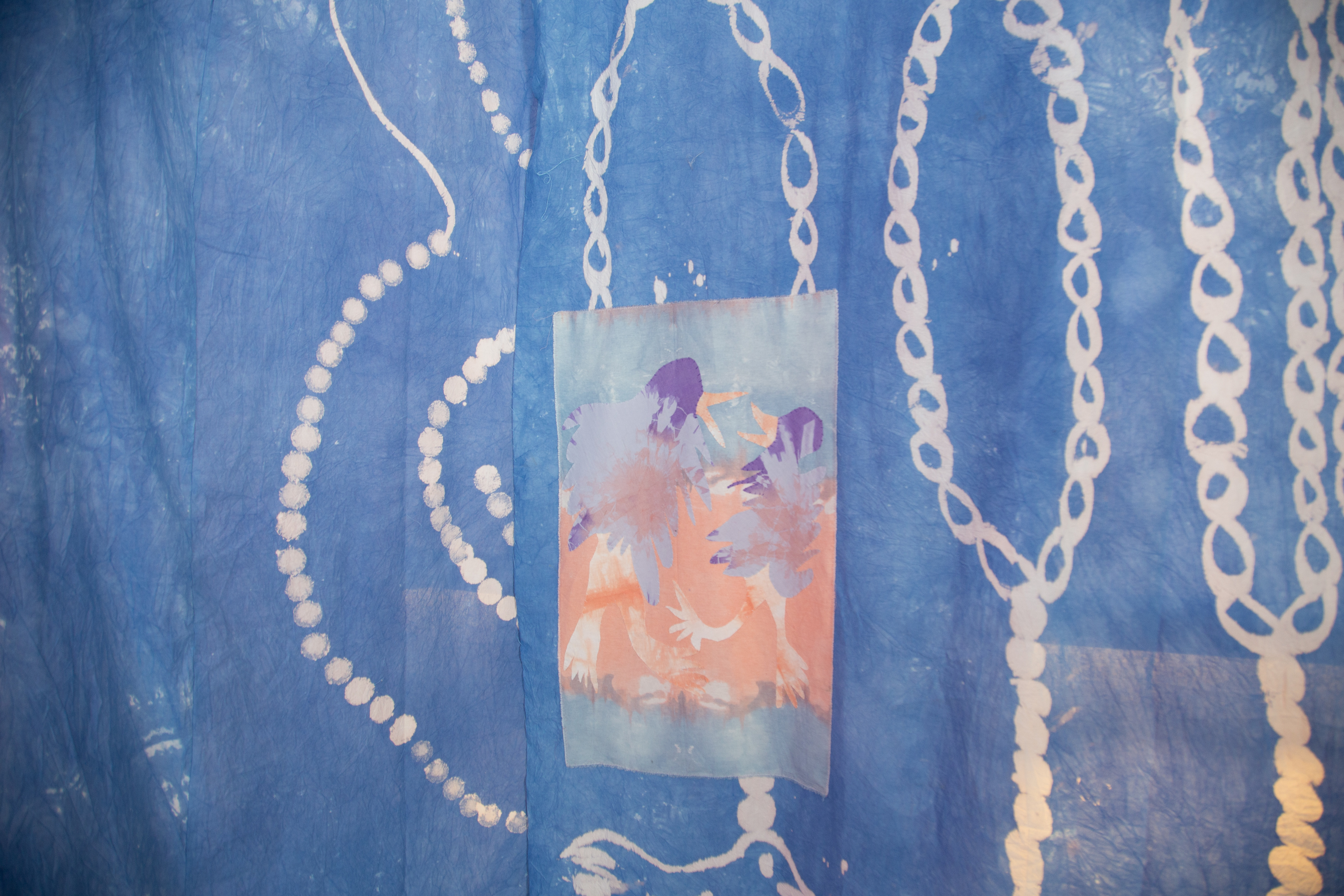
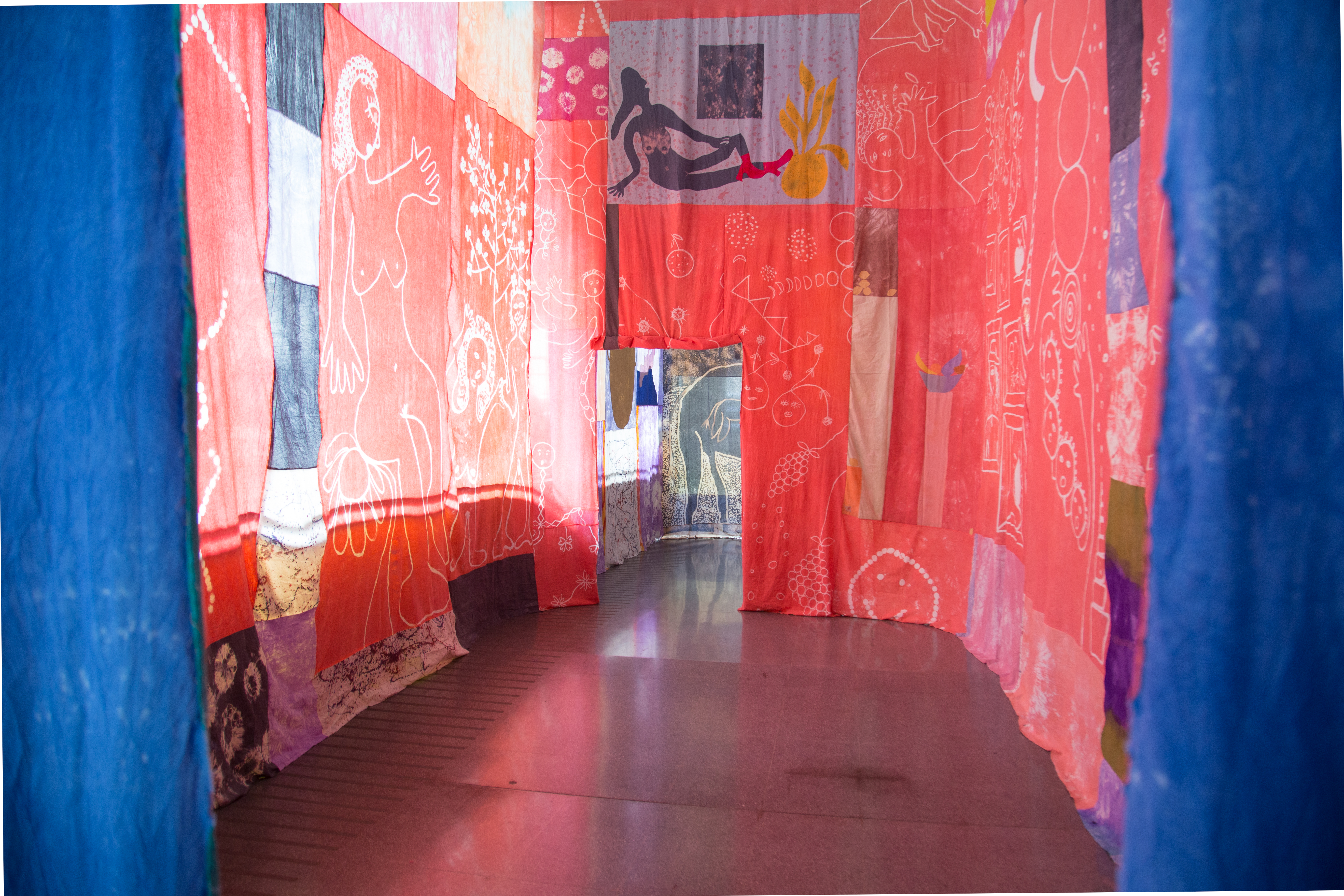
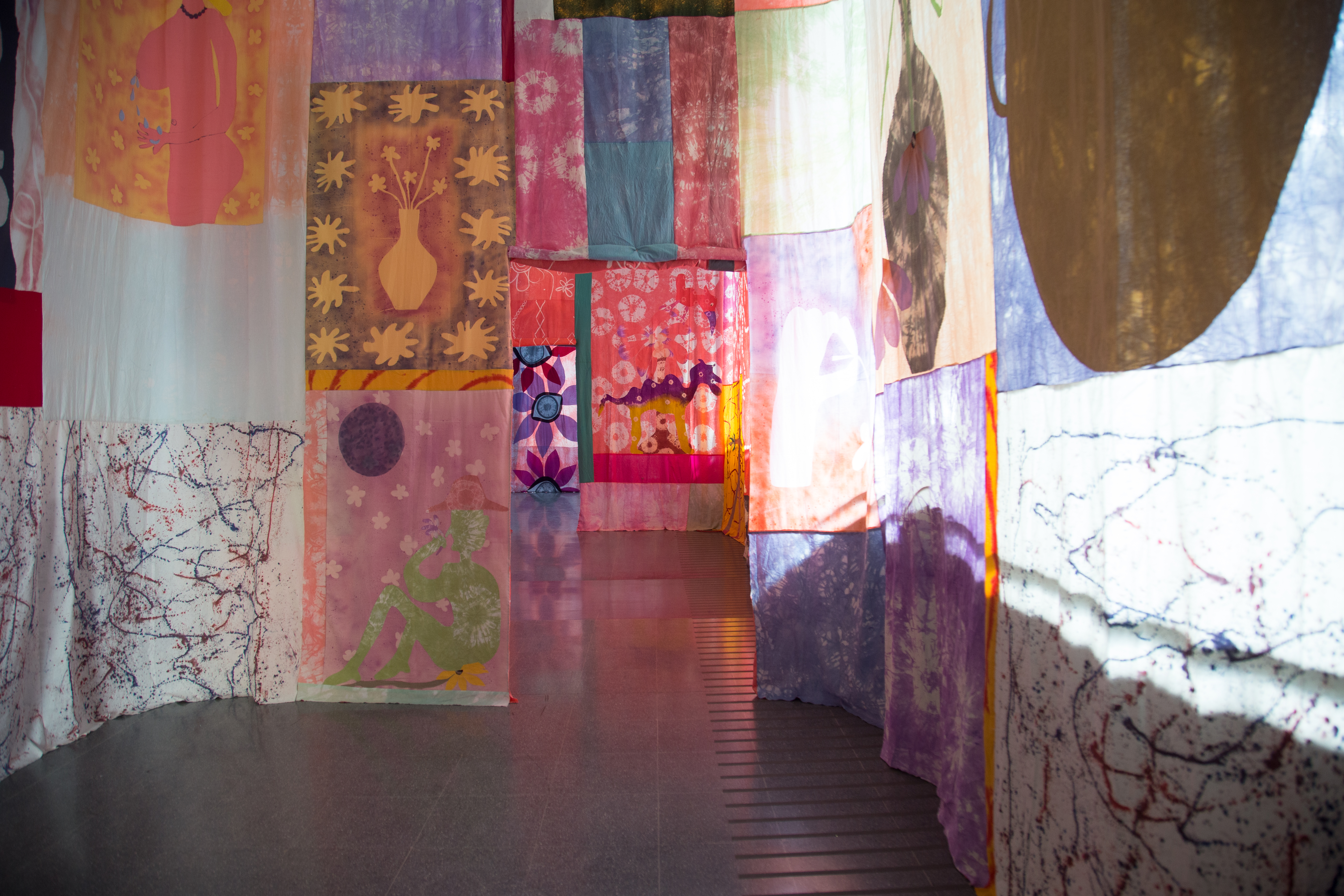
2023, Santiago de Chile. Curada por Matías Allende.
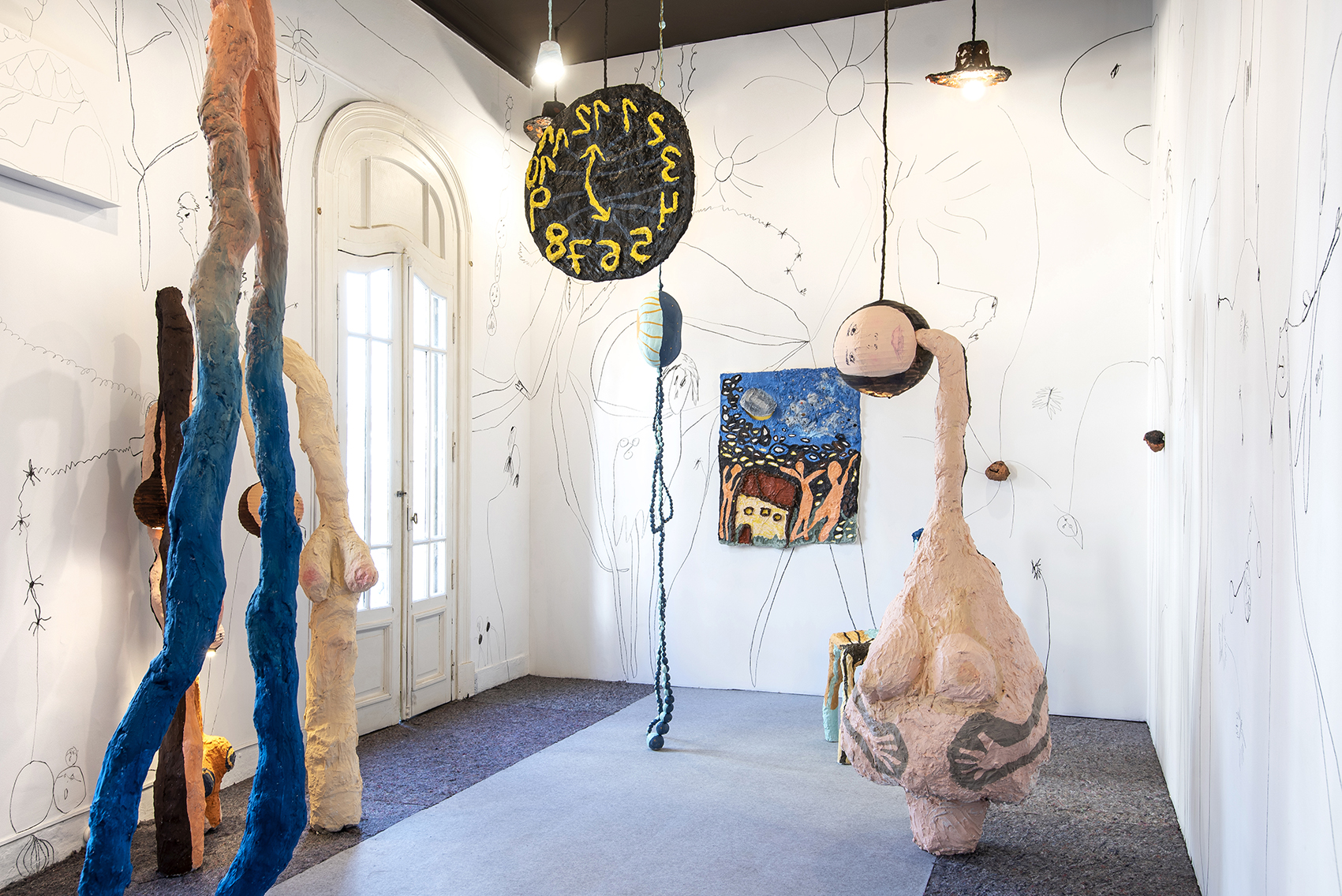


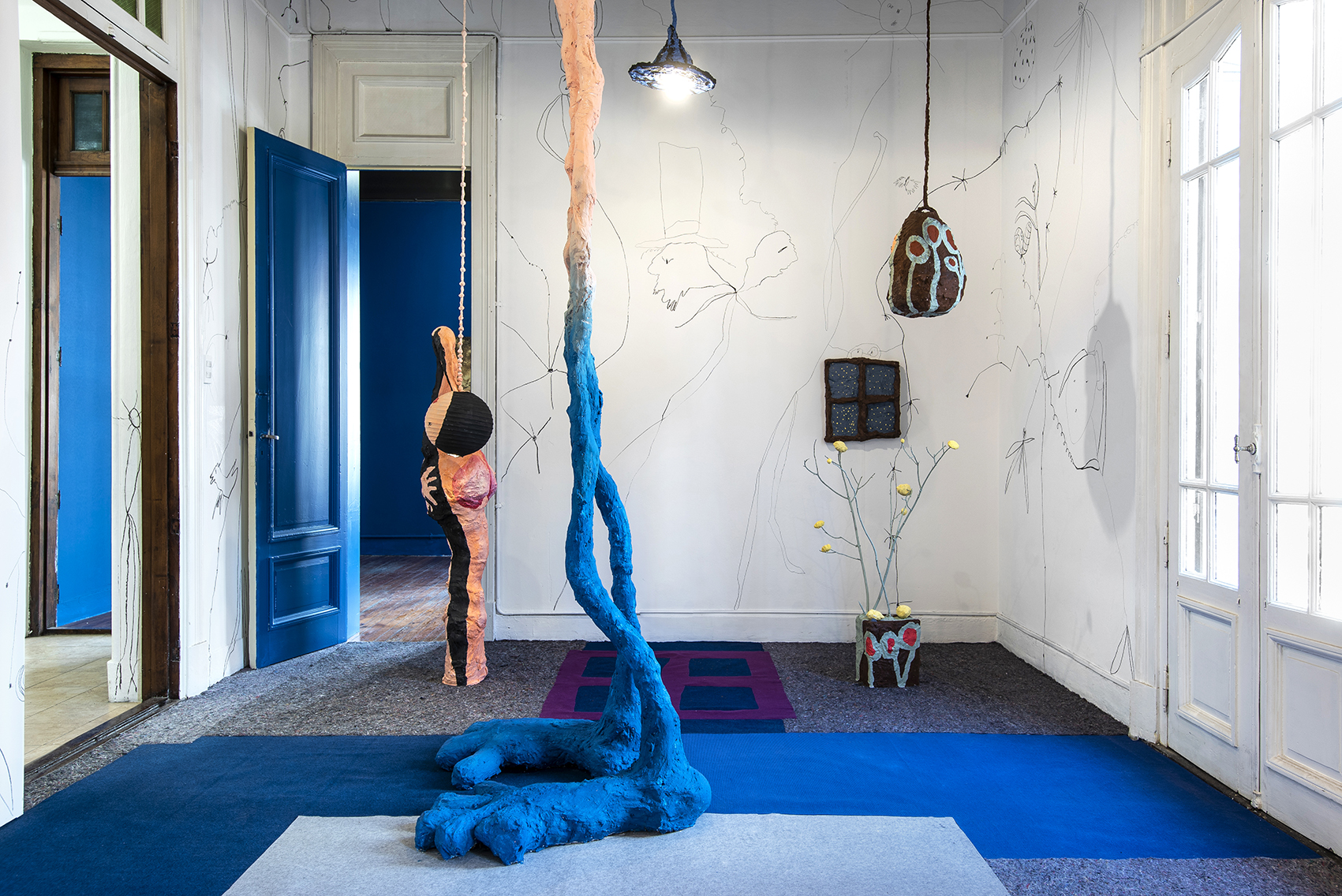
Desvelo. Curada por Carla Barbero; Moria galería, junio-julio 2023. Foto: Santiago Orti
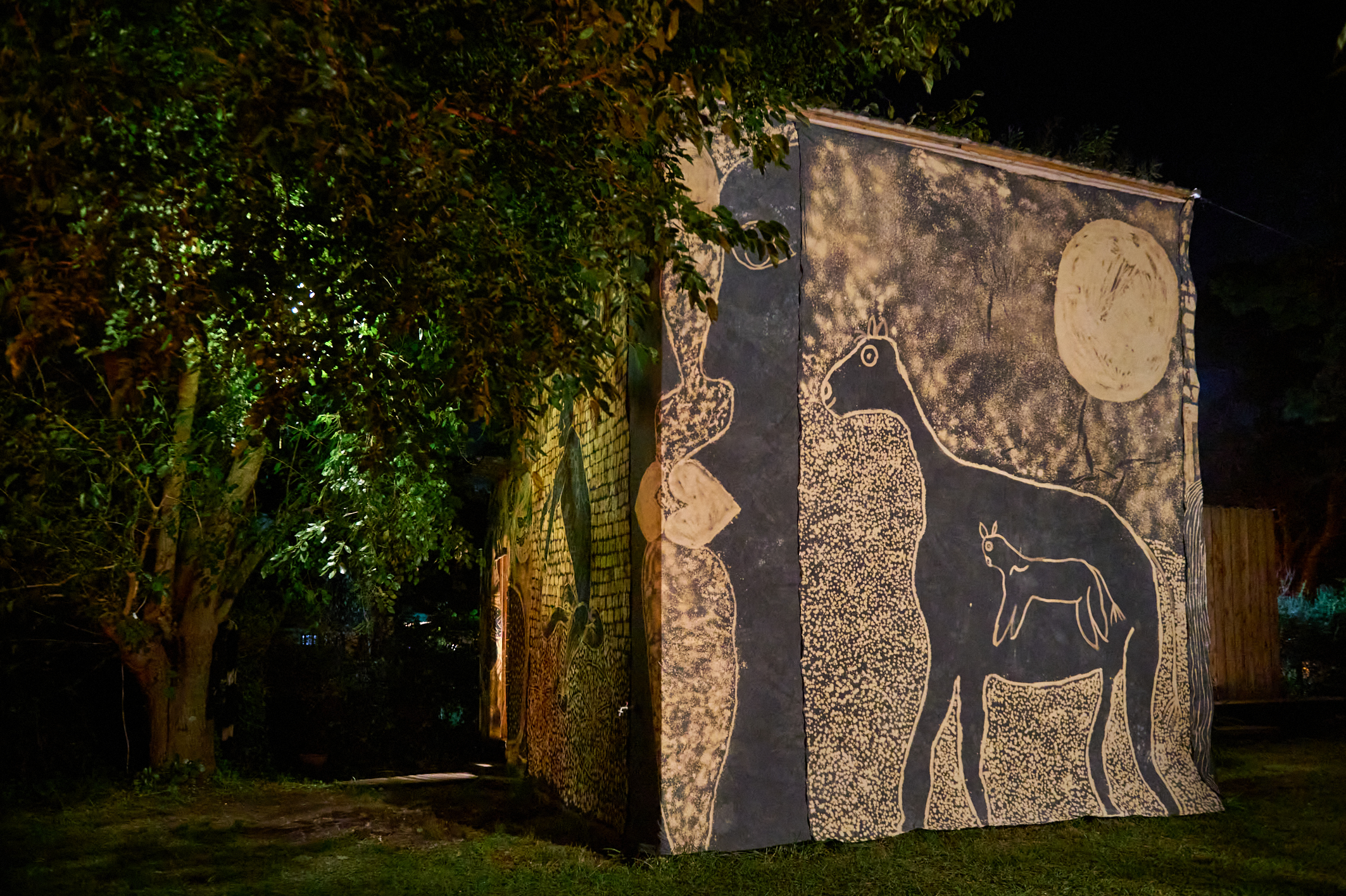
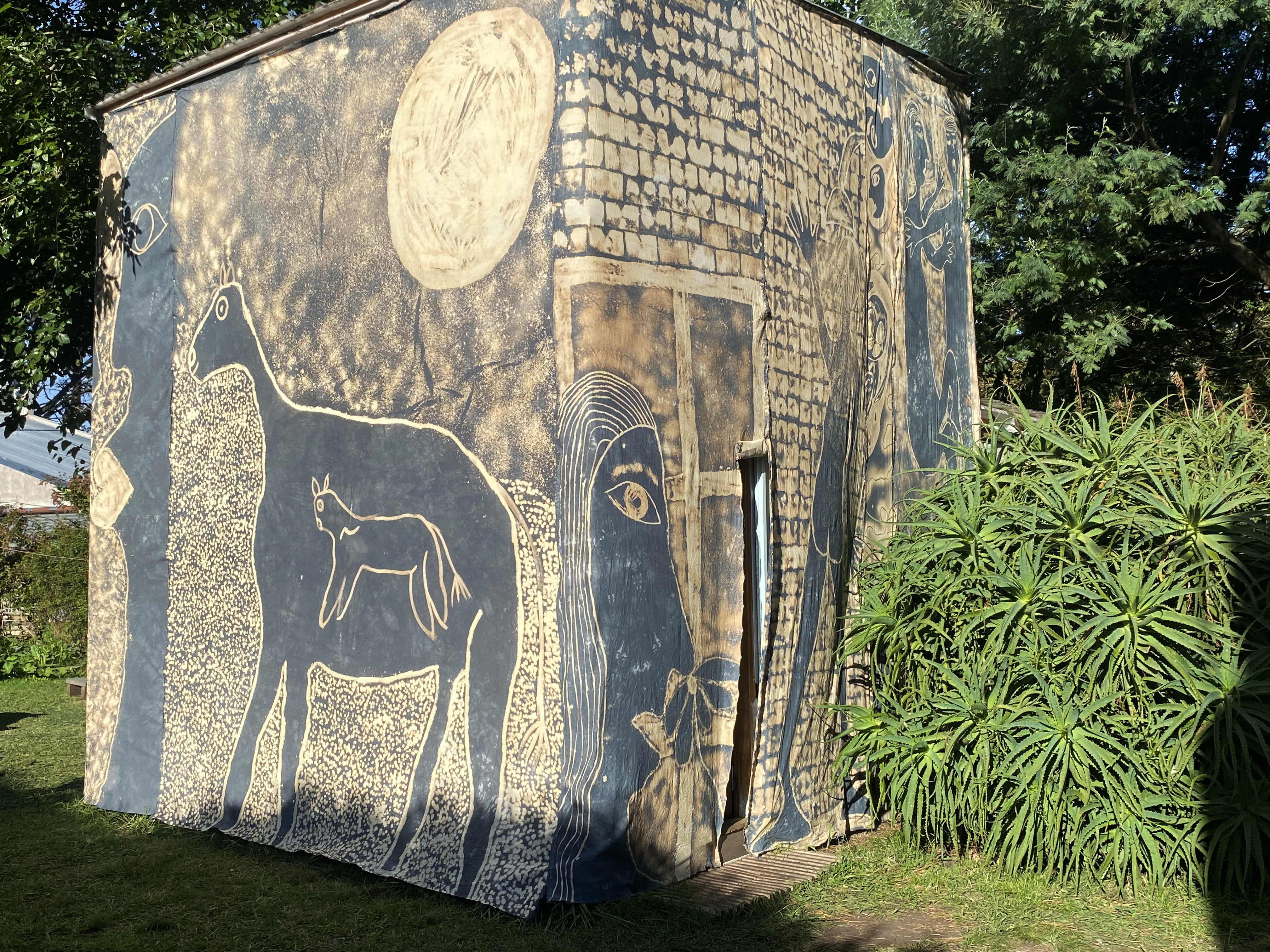
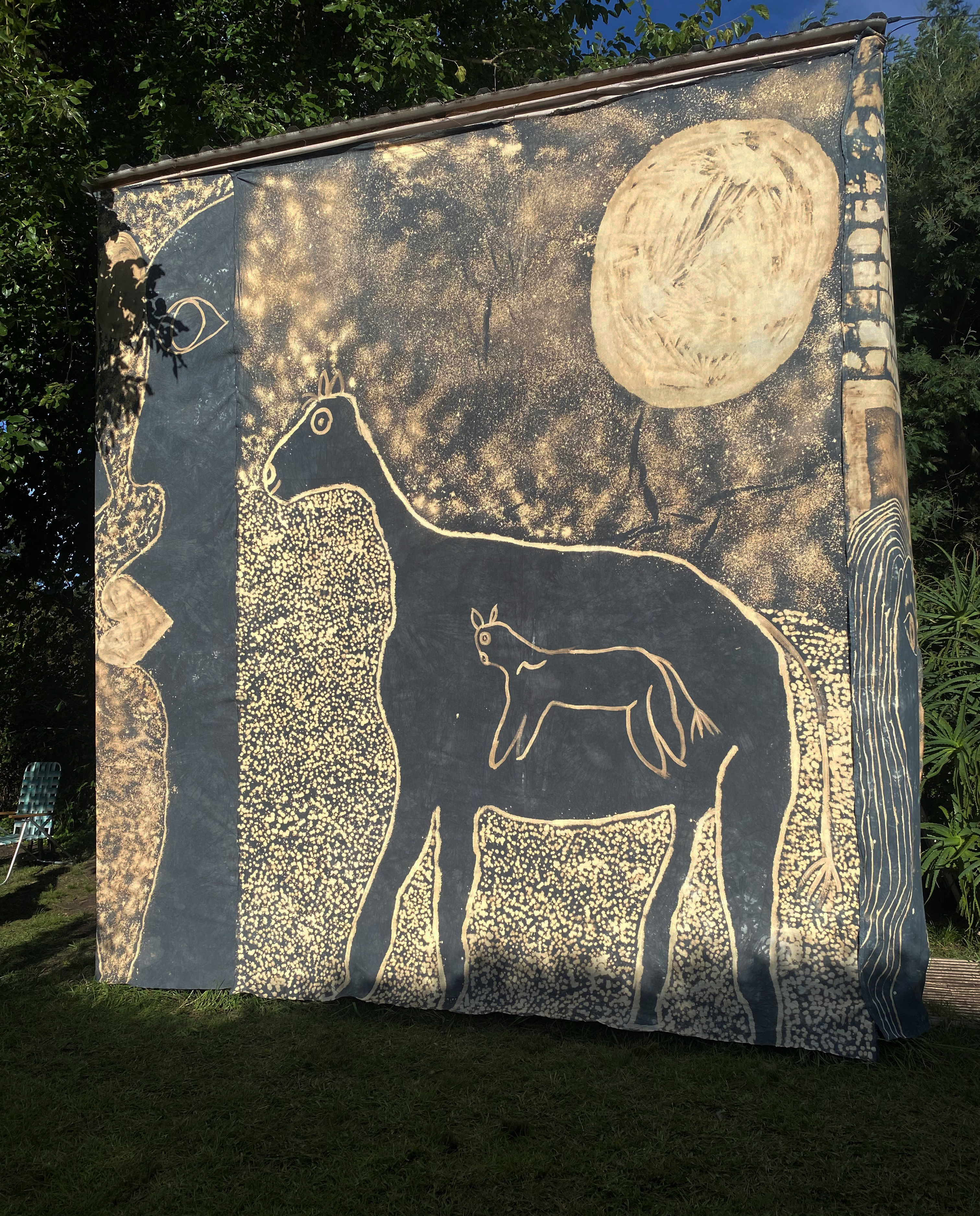
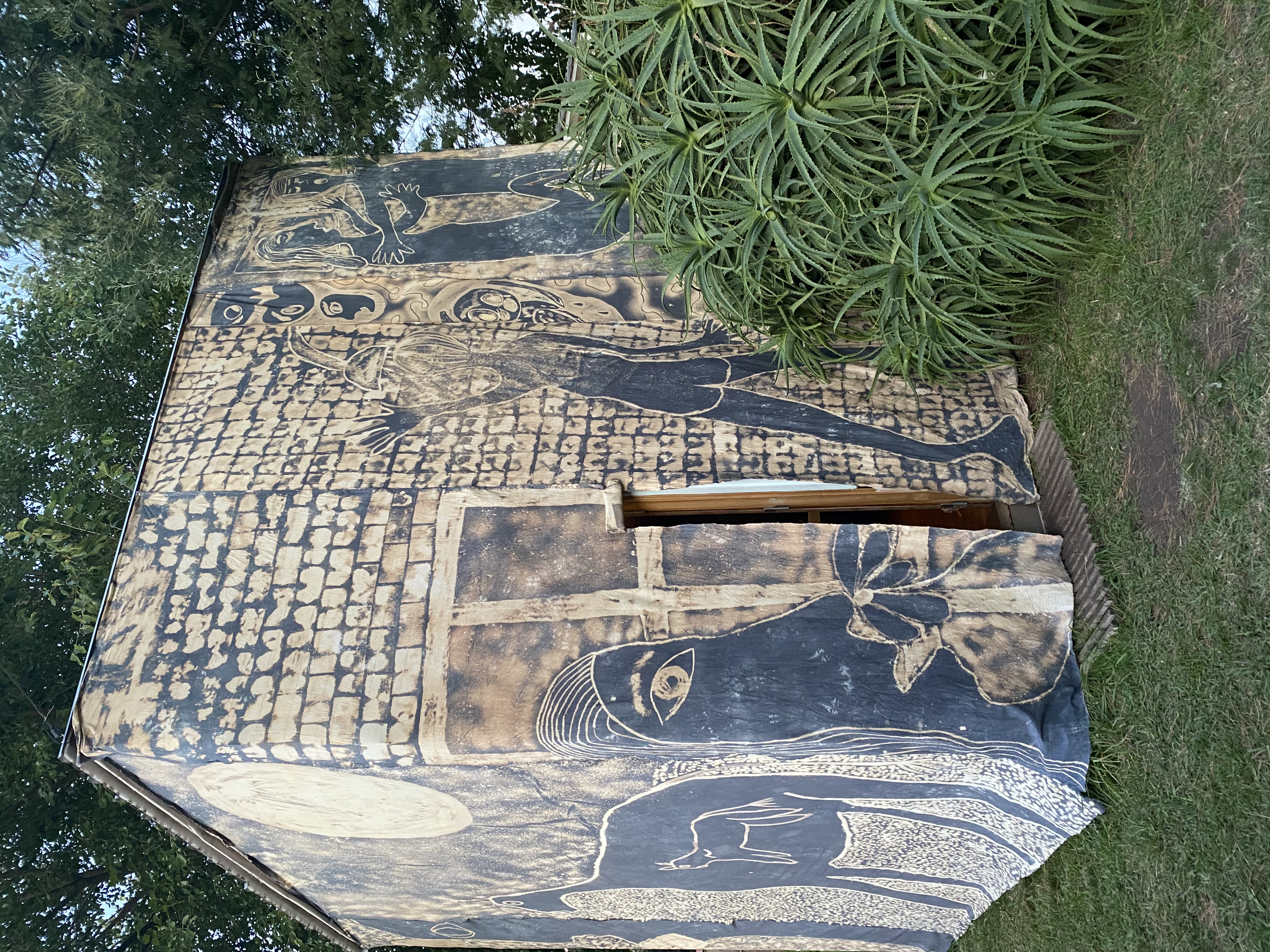
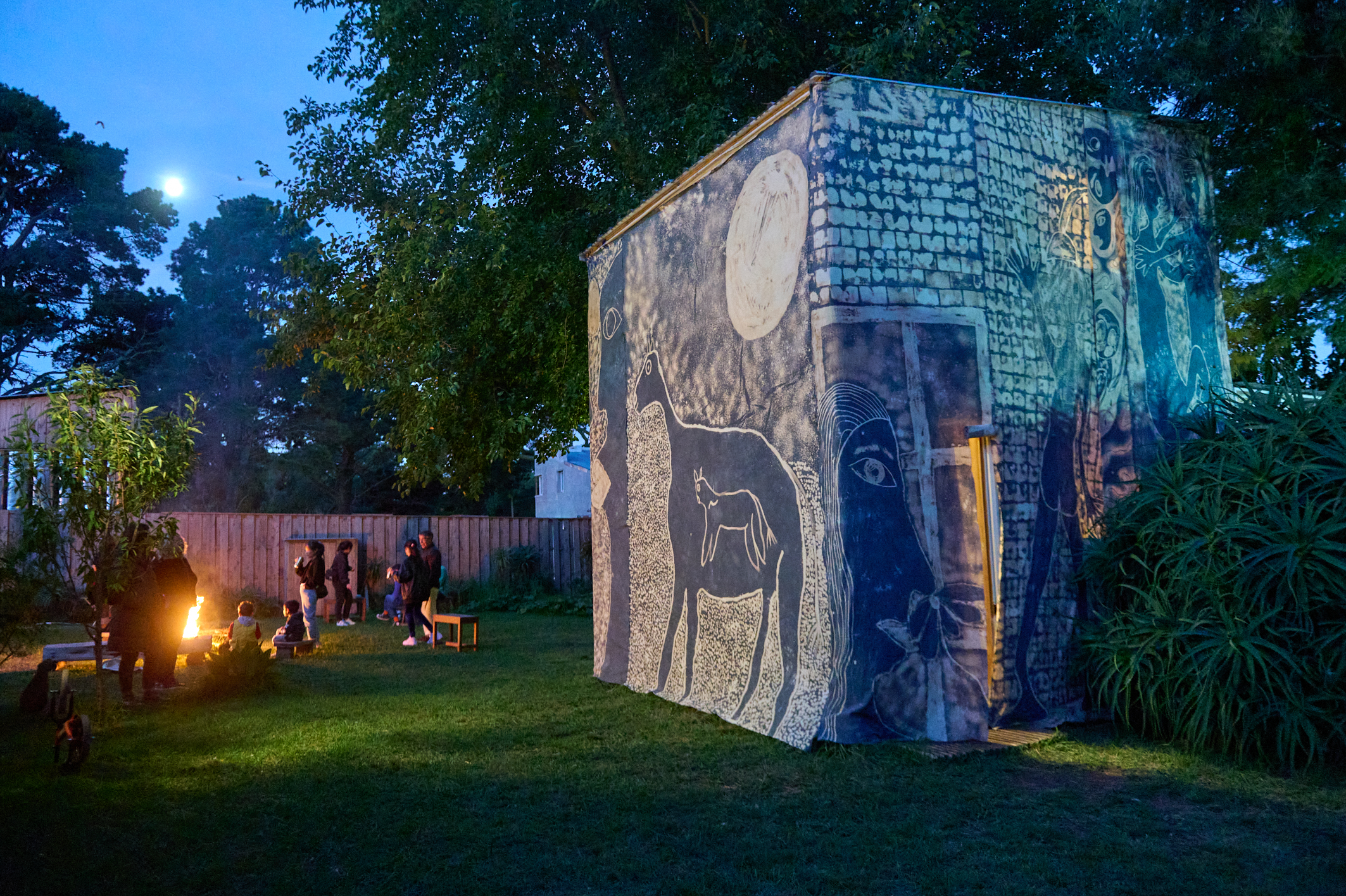
Algunos cuerpos no tienen sombra. Abril 2023, en Mundo Dios, Mar del plata, Argentina
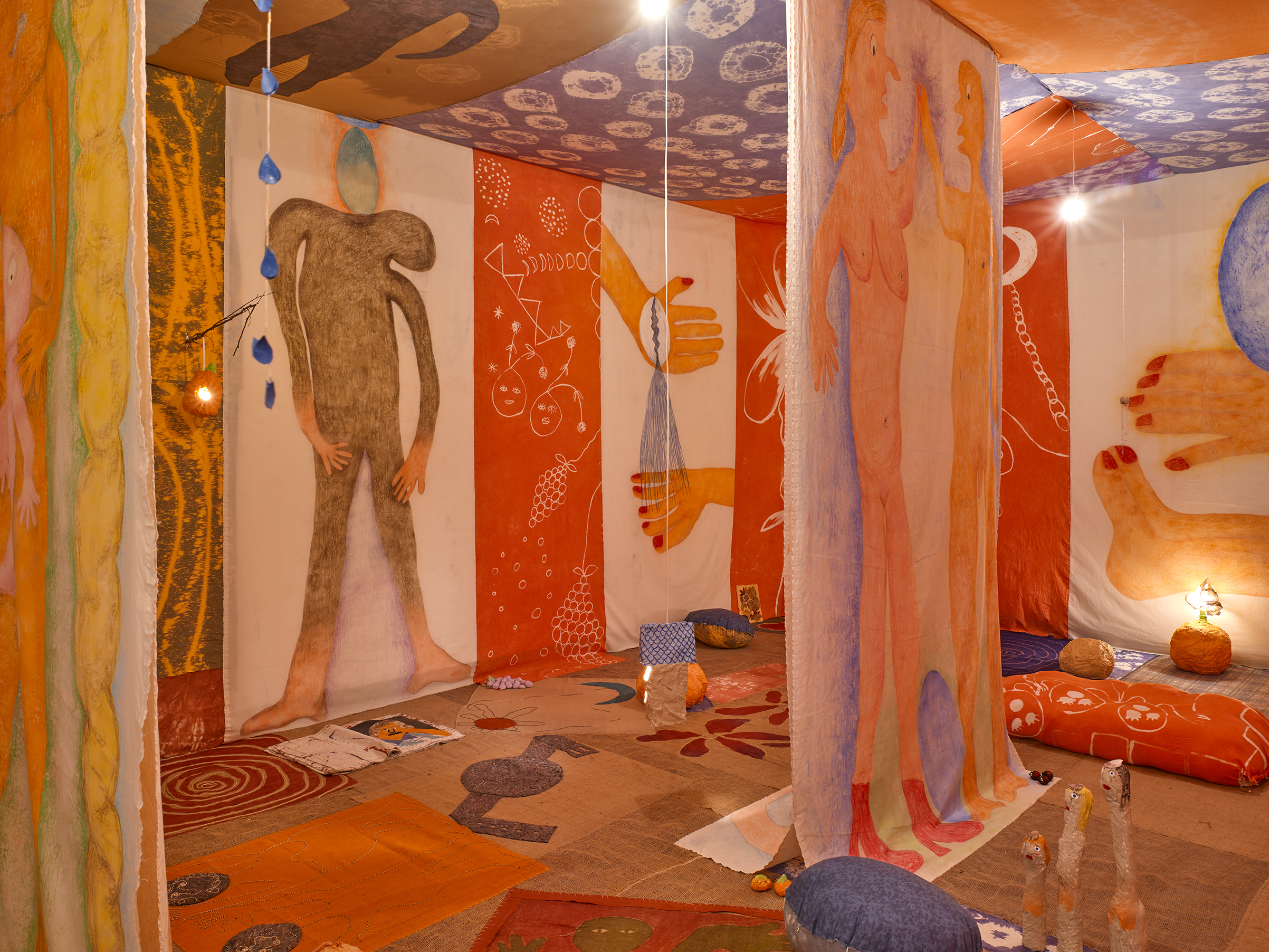
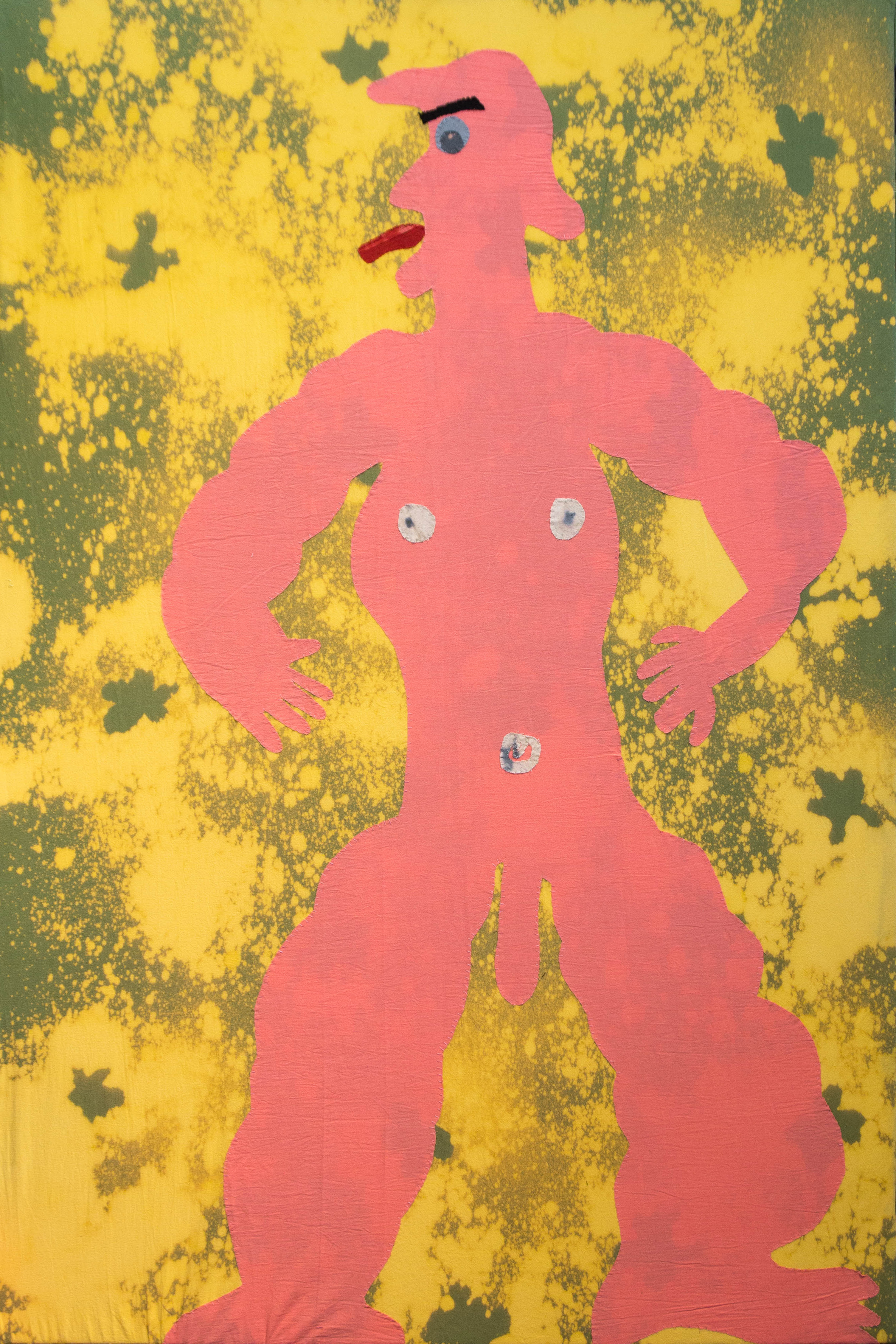
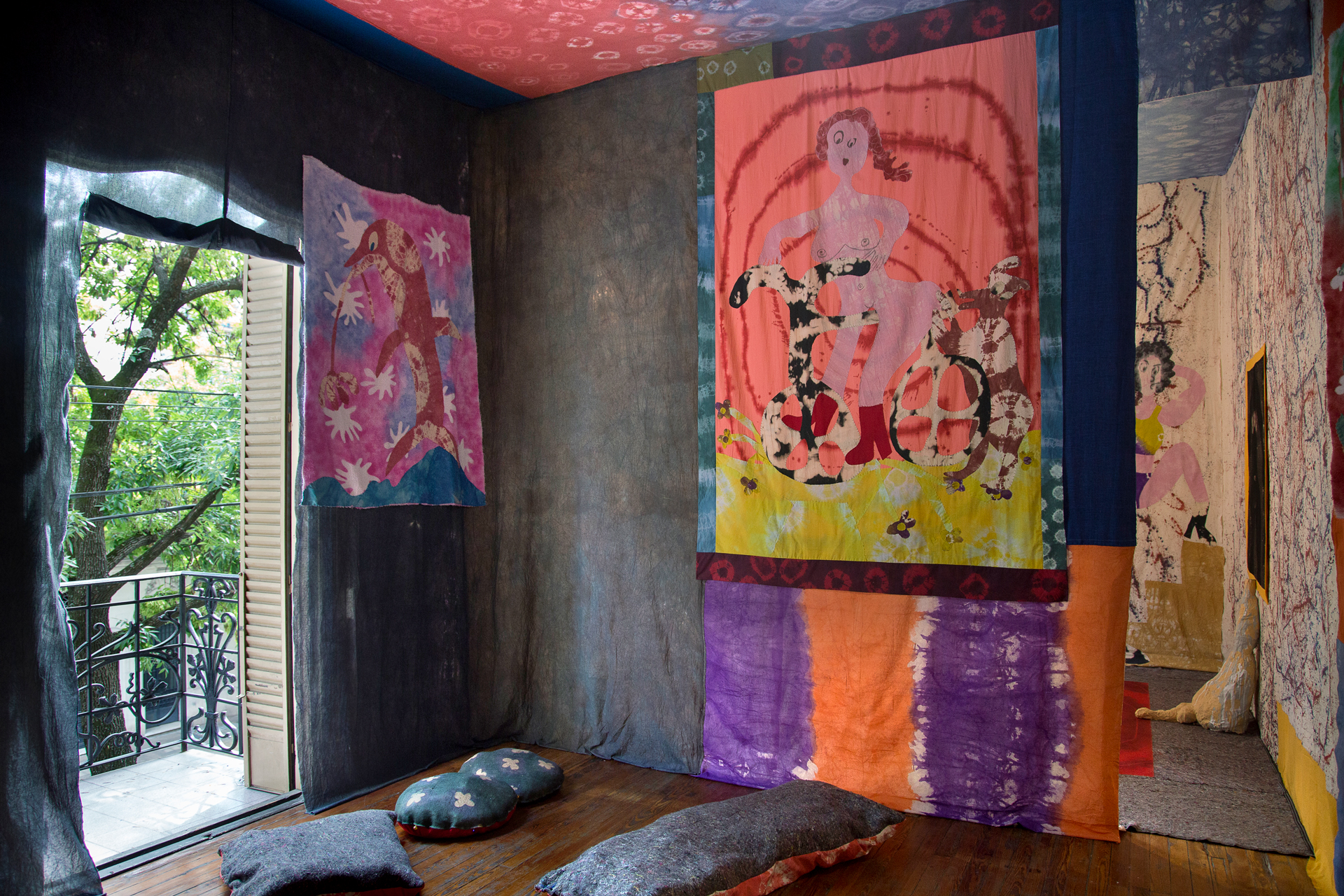
La vida terrenal reconquista al soñador [Earthly Life Reconquers the Dreamer], 2022. Site-sensitive installation: chalk on canvas, hand-dyed fabric, embroidery, burlap, carpets, soft sculptures and polychrome plaster sculptures, dimensions variable. View of the exhibition I don’t know you like that: The Bodywork of Hospitality at UB Anderson Gallery, Buffalo, NY, 2022 —2023. Curated by Sylvie Fortin. Courtesy of the UB Art Galleries, Buffalo. Photo: Biff Henrich/IMG-INK.